
What it means
Shoulders sitting in front of the trunk line, pulling the scapula away from the chest wall.
Where it comes from
A short chest with weak scapular stabilisers.
How it is measured
It is measured on the side view, in the sagittal plane. The defining measurement is Shoulders rolled forward (Scapular protraction), and it is reported as a finding from above 3 cm. The number is computed from landmarks on that photograph — not estimated by eye, and not compared against a stock example.
What the numbers mean
| Measurement | Grade |
|---|---|
| up to 3 cm | Within normal range |
| 3–5 cm | Mildly rounded |
| 5–8 cm | Moderately rounded |
| 8 cm and above | Severely rounded |
Source of the bands: Photographic acromion-to-plumb offset; conventional 3 cm threshold
What is usually seen alongside it
- Rounded upper back (Thoracic kyphosis) — above 45°
- Where the head sits over the shoulder (Craniovertebral angle) — below 50°
None of these is a diagnosis on its own. Together they corroborate the finding; apart, they do not refute it — a measurement nobody took counts neither for nor against.
What confirms it
Measured independently of height as the acromion-to-table distance in supine lying.
Rounded shoulders and shoulder pain — a link the systematic review did not find
"Rounded shoulders and a hunched upper back cause shoulder pain" is an assumption a great deal of corrective programming rests on. The systematic review that set out to test exactly that found something else.
What the review found
Barrett and colleagues [1] examined ten studies on the relationship between thoracic kyphosis and shoulder pain, range of motion and function. Their finding: there is a moderate level of evidence of no significant difference in thoracic kyphosis between groups with and without shoulder pain.
The one study that did show greater kyphosis in people with pain was itself rated at high risk of bias.
A qualification that has to be said plainly
⚠️ That review measured thoracic kyphosis, not shoulder protraction specifically. The two are related but not the same, and one result should not be stretched onto the other without saying so. What can be said is this: the simplest and most repeated form of the claim is not well supported.
So what is the number for
Follow-up, not labelling. If you have a number today and start a programme, the same measurement repeated in eight to twelve weeks shows whether anything changed — and that comparison holds regardless of whether posture was ever the cause of the pain.
If you have shoulder pain, where it comes from is found by examination. A page promising that straightening your shoulders will end it has said something the review above does not support.
References
- Barrett E, O'Keeffe M, O'Sullivan K, Lewis J, McCreesh K. Is thoracic spine posture associated with shoulder pain, range of motion and function? A systematic review. Man Ther. 2016;26:38–46. PMID 27475532 · DOI 10.1016/j.math.2016.07.008
The evidence on this
Study summaries that measured this finding — with their numbers and their limits.
- How accurate is measuring posture from a photograph — Systematic review and meta-analysis, 29 studies
- How well does exercise work for forward head — Systematic review and meta-analysis, 13 randomised controlled trials
- What breathing adds to kyphosis exercise — Systematic review and meta-analysis, 5 trials
- How smartphone use and neck pain are related — Systematic review and meta-analysis, 7 retrospective studies
- How heavy can a school bag be — Systematic review, 12 papers
The exercise programme
A short pectoral pulls the shoulder forward and neither lower trapezius nor serratus can hold the blade in place.
The stages advance on a standard, not on the calendar:
- Stage 1 — release and wake up — weeks 1–4: Pectoral release, Doorway pectoral stretch, Open book (thoracic rotation)
Move on: When the movement is done without pain and without compensating, and the stretch is no longer what limits it. - Stage 2 — control — weeks 3–8: Doorway pectoral stretch, Open book (thoracic rotation), Prone Y — lower trapezius, Prone T, Wall serratus slide, Wall push-up plus, Wall angel
Move on: When the target muscle is felt through the whole range and the last set looks like the first. - Stage 3 — load and integration — weeks 6–16: Prone Y — lower trapezius, Prone T, Wall serratus slide, Wall push-up plus, Wall angel
Move on: When the corrected pattern holds in everyday movement and under fatigue.
Each session 15–25 minutes, 4–6 times a week, for at least 12 weeks. (the training phases' default, not a study's result)
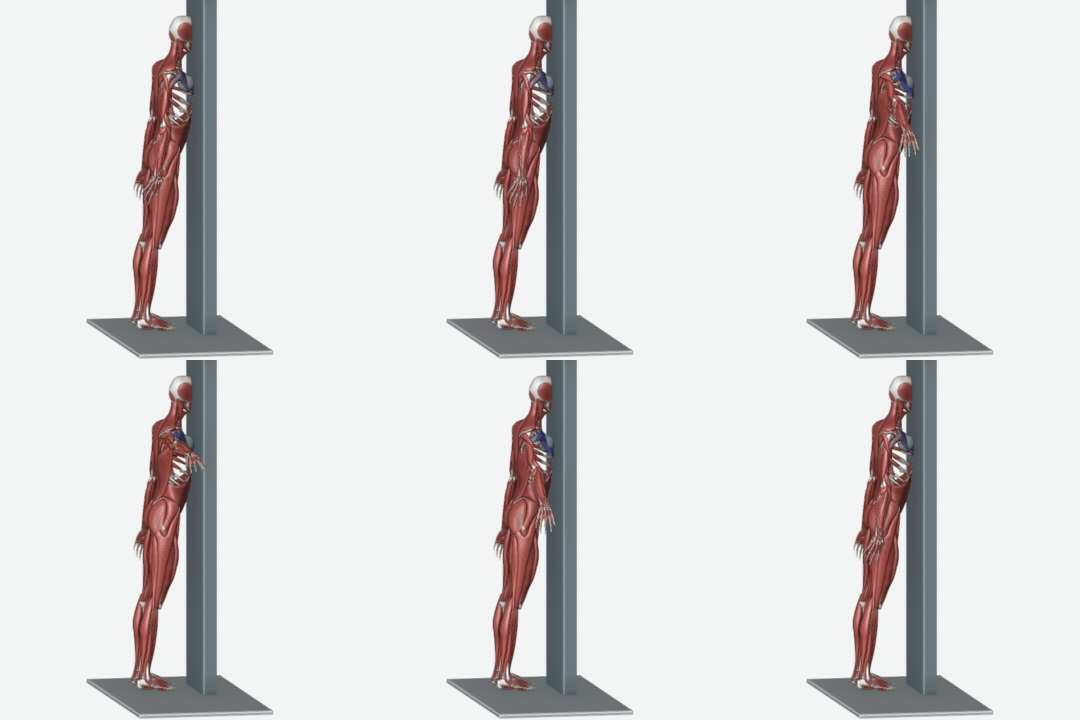
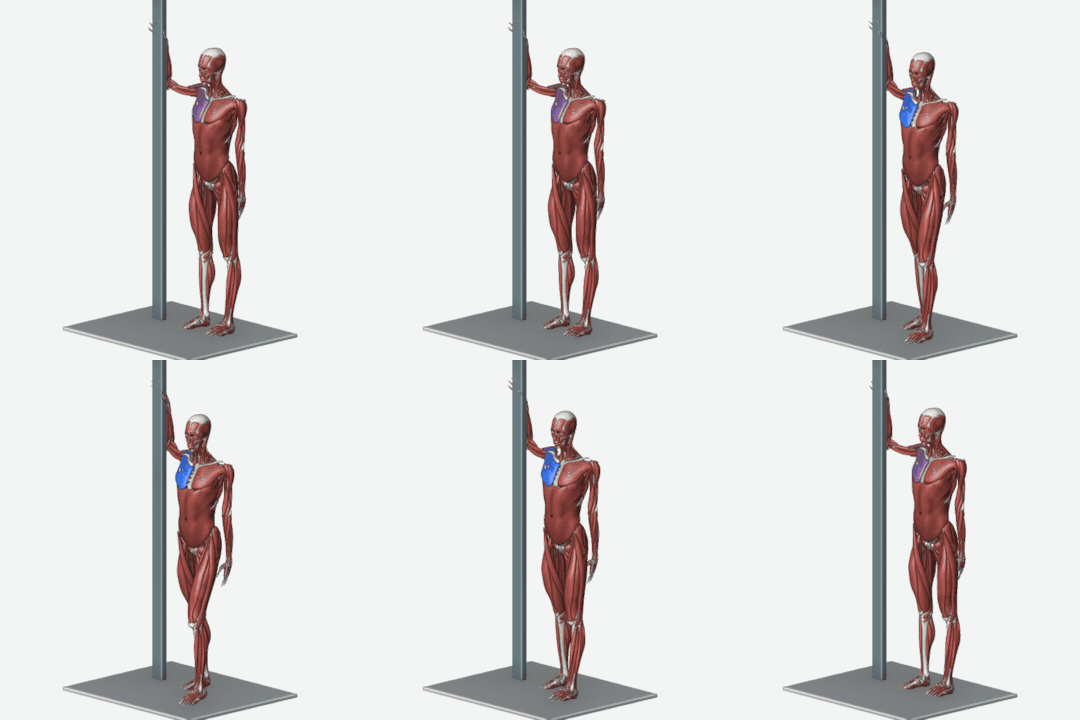
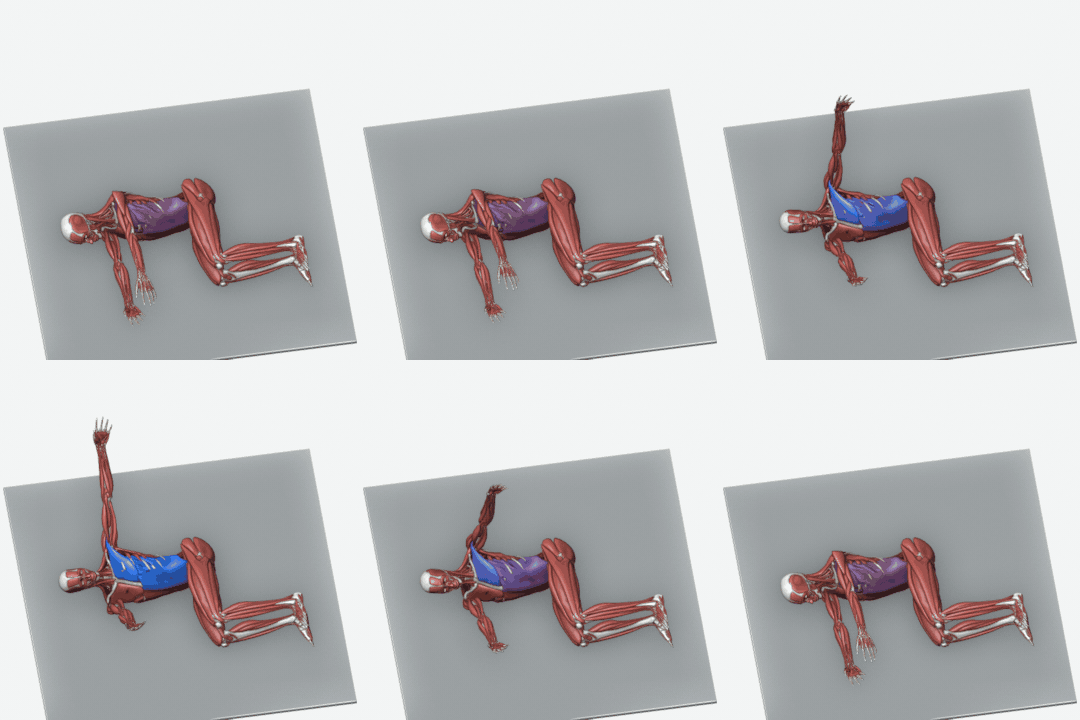
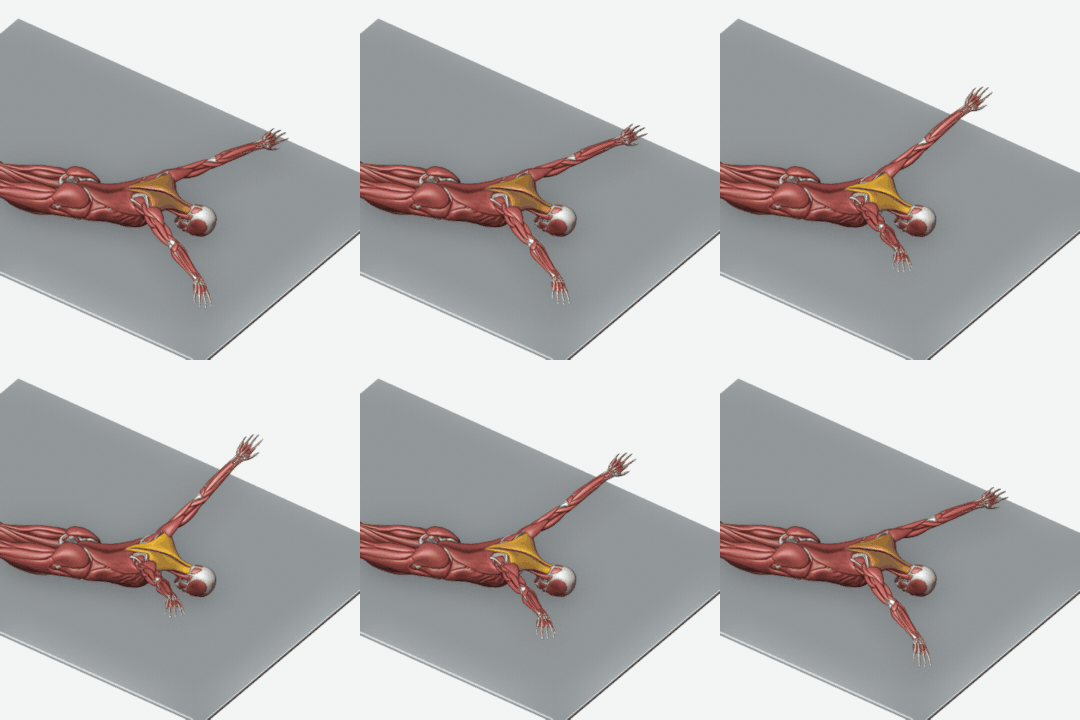
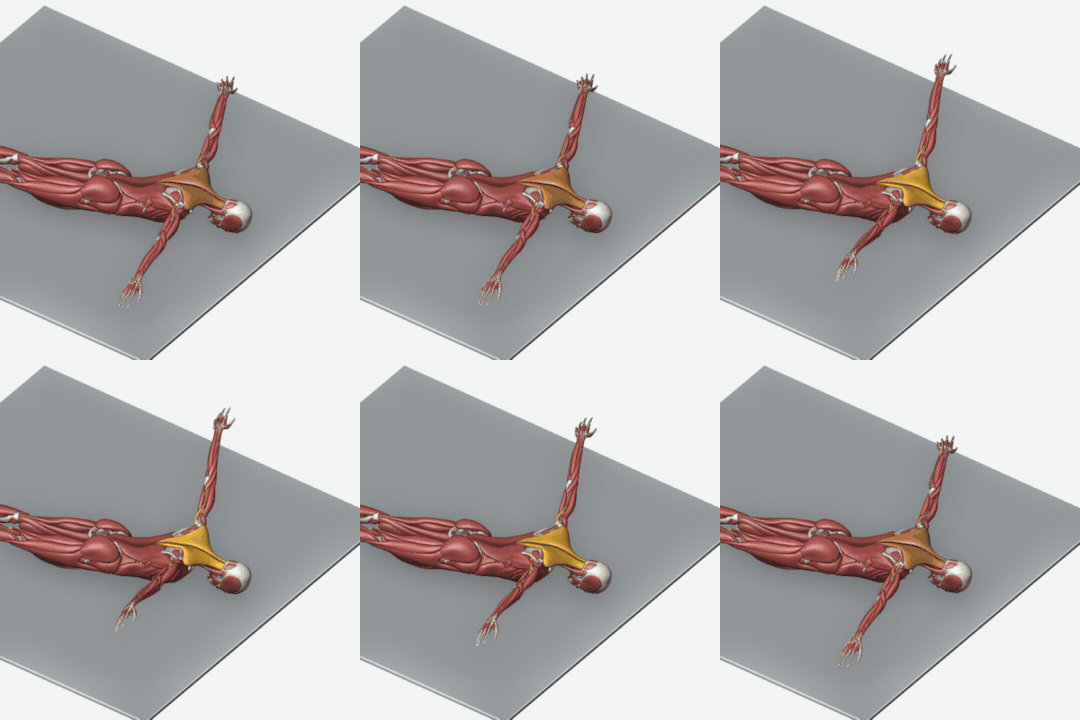
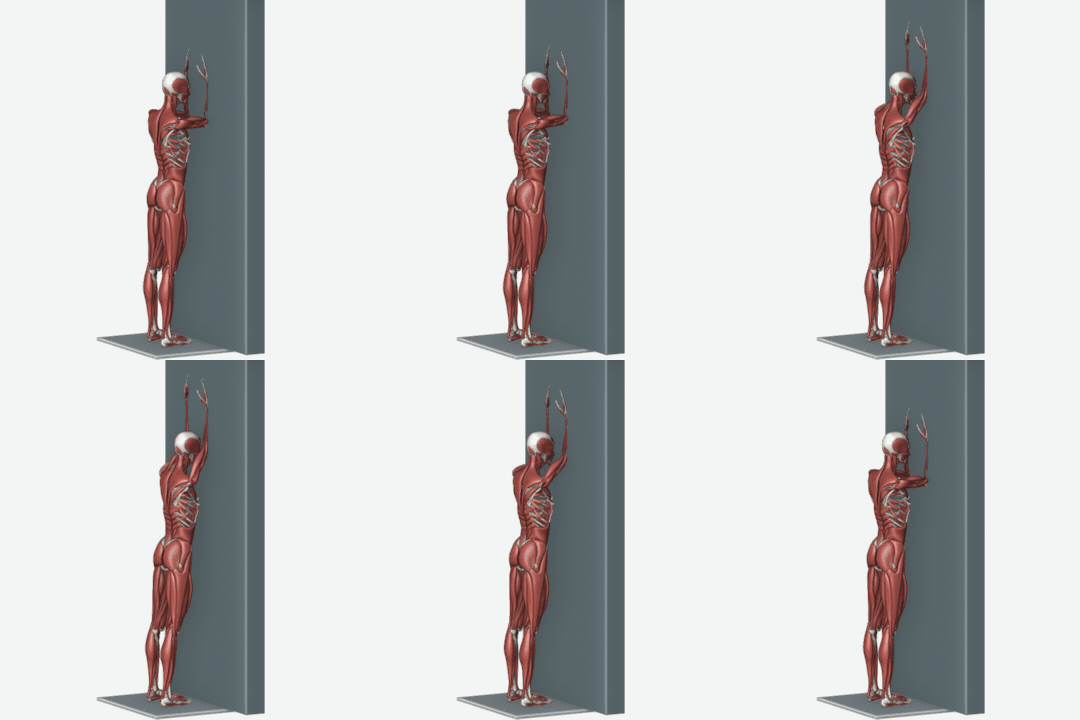
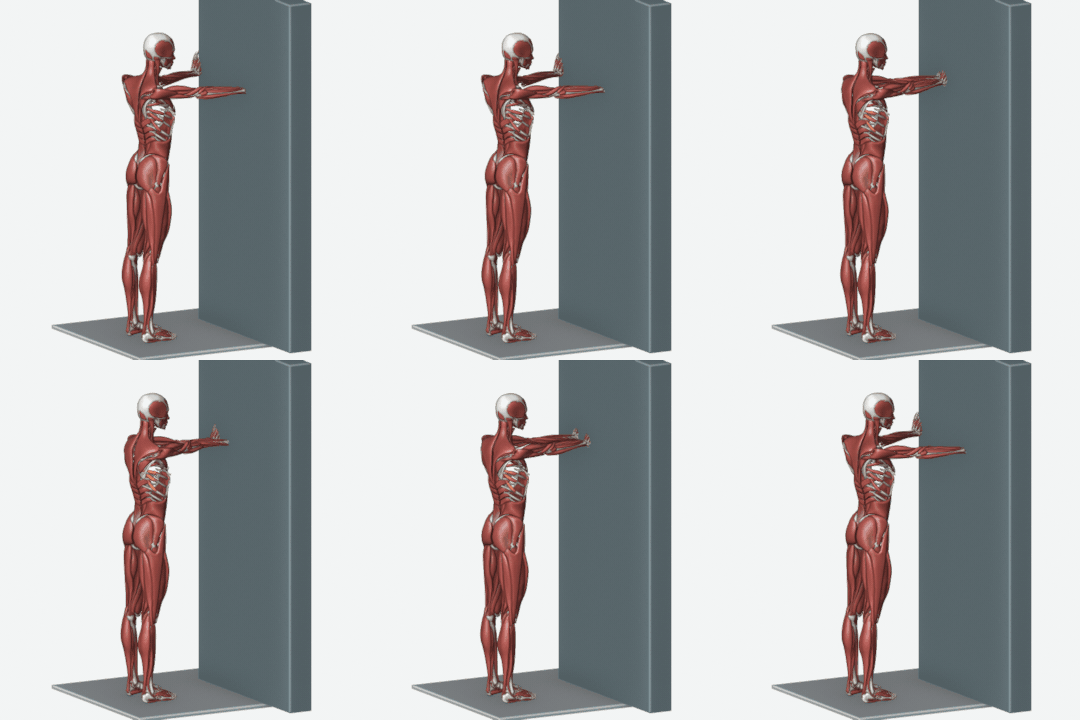
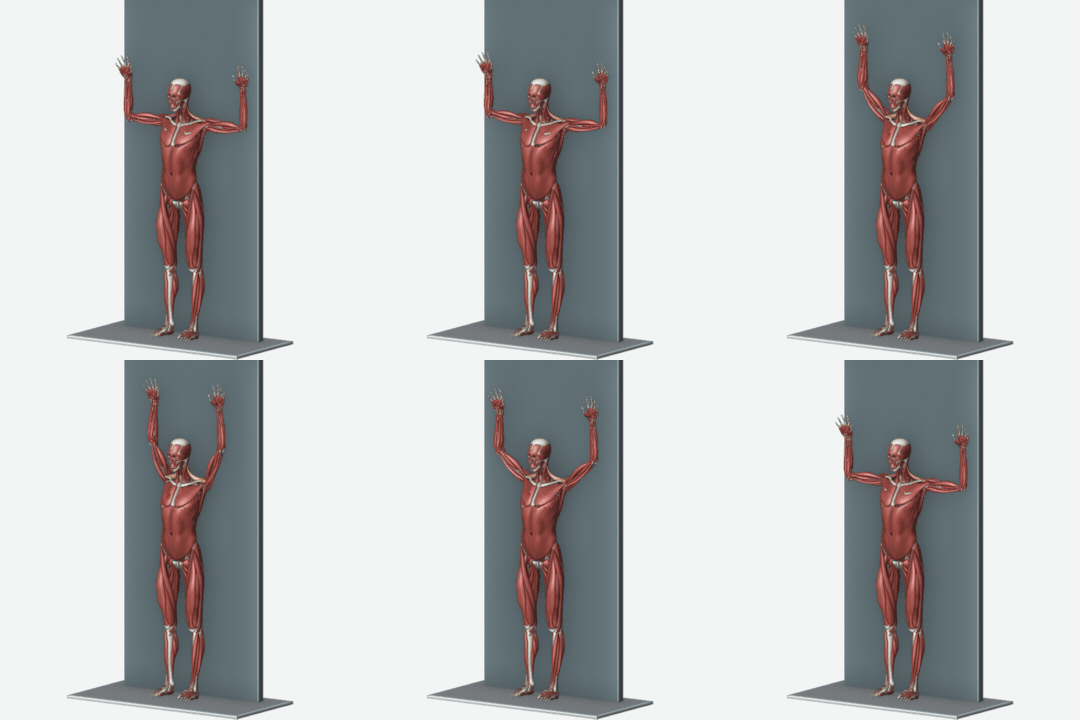
This example is for a moderate grade; each stage runs shorter or longer with the measured grade, and a person's own programme is written after assessment, around their other conditions and limits. If a movement causes pain, stop it and contact the clinic. Muscle colours in the animations: orange working, blue stretching, amber holding still.
Every number on this page is measured on the skin surface in a photograph. That is not the same as a measurement taken on a radiograph: it correlates with one and does not replace it. Wherever the decision depends on imaging, this page and the report itself say so.
What happens at the clinic
The assessment starts with three standing photographs — front, side and back. Every angle is measured on those photographs, the report prints the number and the grade for each, and the exercise programme is built from those numbers rather than from a template. Posture analysis explains the whole path, and the online assessment can be started from your own photograph now.
Frequently asked questions
At what point is rounded and protracted shoulders reported?
When shoulders rolled forward (scapular protraction) is above 3 cm, it is reported as a finding. That is where the "Mildly rounded" band begins. The bands come from: Photographic acromion-to-plumb offset; conventional 3 cm threshold
Can rounded and protracted shoulders be assessed from a photograph?
A photograph gives a number, which most assessments do not have. But it is a surface measurement and it does not replace imaging. Measured independently of height as the acromion-to-table distance in supine lying.
What is the most severe grade?
The worst band in this table is "Severely rounded". The grade is printed beside the measurement itself in the report, so it is always clear which number produced the word.