What it means
A medial arch higher than normal. Load shifts onto the heel and the metatarsal heads, and the foot absorbs shock less well.
Where it comes from
The longitudinal arch staying high under load, often with an inverted heel and a tight plantar fascia.
How it is measured
It is measured on the front view, in the sagittal plane. The defining measurement is archIndexR, and it is reported as a finding from above 0.31. The number is computed from landmarks on that photograph — not estimated by eye, and not compared against a stock example.
What the numbers mean
| Measurement | Grade |
|---|---|
| up to 0.31 | Within normal range |
| 0.31–0.32 | Borderline arch |
| 0.32–0.35 | Cavus foot |
| 0.35 and above | Severely cavus foot |
Source of the bands: NNHt adult bands: 0.32-0.35 supinated, >0.35 highly supinated
What is usually seen alongside it
- How flat the inner arch is (Medial arch angle)
- Heel rolls inward (Rearfoot angle)
None of these is a diagnosis on its own. Together they corroborate the finding; apart, they do not refute it — a measurement nobody took counts neither for nor against.
What confirms it
A high, stiff arch deserves a look for a neurological cause; a one-sided or progressing cavus is a warning sign.
High-arched foot — and how thin the evidence is
A cavus foot can hurt and can disable. But when it comes to treatment, the most honest thing to say is that the evidence is very thin — and saying it is better than hiding it.
What the Cochrane review found
Burns and colleagues [1] searched for every randomised trial of interventions to prevent or treat pes cavus, across seven databases, and contacted experts in the field for unpublished data as well.
The result: only one trial fully met the inclusion criteria (custom-made foot orthoses), with two further cross-over trials included. Their own background states that despite anecdotal reports, rigorous scientific investigation of this condition and how best to manage it is lacking.
What that means — and what it does not
It means anybody asserting confidently that a particular insole or exercise corrects a cavus foot is saying something research does not firmly support.
⚠️ It does not mean nothing helps: absence of evidence is not evidence of absence. What remains is a clinical decision taken case by case — from pain, from where the load falls, from function — rather than from a general rule.
What the measurement here does
It turns the arch index into a number so the next one can be compared with it. What it does not do is say why the arch is high — a cavus foot can have a neuromuscular cause, and that is a separate medical assessment.
⚠️ A newly appeared or progressing high arch, or one with weakness or numbness alongside it, needs medical assessment — not an insole.
References
- Burns J, Landorf KB, Ryan MM, Crosbie J, Ouvrier RA. Interventions for the prevention and treatment of pes cavus. Cochrane Database Syst Rev. 2007;(4):CD006154. PMID 17943889 · DOI 10.1002/14651858.CD006154.pub2
The evidence on this
Study summaries that measured this finding — with their numbers and their limits.
- What foot orthoses improve in heel pain — Systematic review and meta-analysis, 8 randomised controlled trials
The exercise programme
A high arch is a stiff foot that does not absorb shock, so load concentrates on the heel and the metatarsal heads. The goal is suppleness and load tolerance, not a higher arch.
The stages advance on a standard, not on the calendar:
- Stage 1 — release and wake up — weeks 1–4: Plantar fascia release, Calf and Achilles stretch, Soleus stretch (bent knee)
Move on: When the movement is done without pain and without compensating, and the stretch is no longer what limits it. - Stage 2 — control — weeks 3–8: Calf and Achilles stretch, Soleus stretch (bent knee), Peroneal strengthening, Tibialis posterior strengthening
Move on: When the target muscle is felt through the whole range and the last set looks like the first. - Stage 3 — load and integration — weeks 6–16: Peroneal strengthening, Tibialis posterior strengthening, Single-leg balance and squat, Gait pattern drill
Move on: When the corrected pattern holds in everyday movement and under fatigue.
Each session 20–30 minutes, 3–3 times a week, for at least 24 weeks. (from a study)
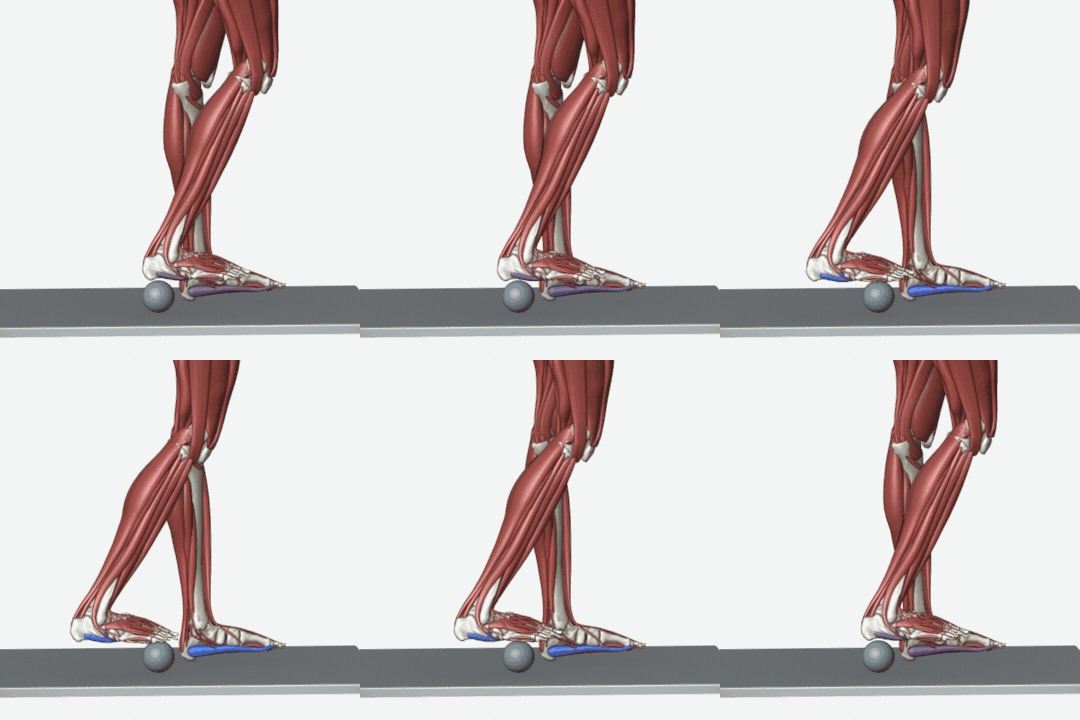
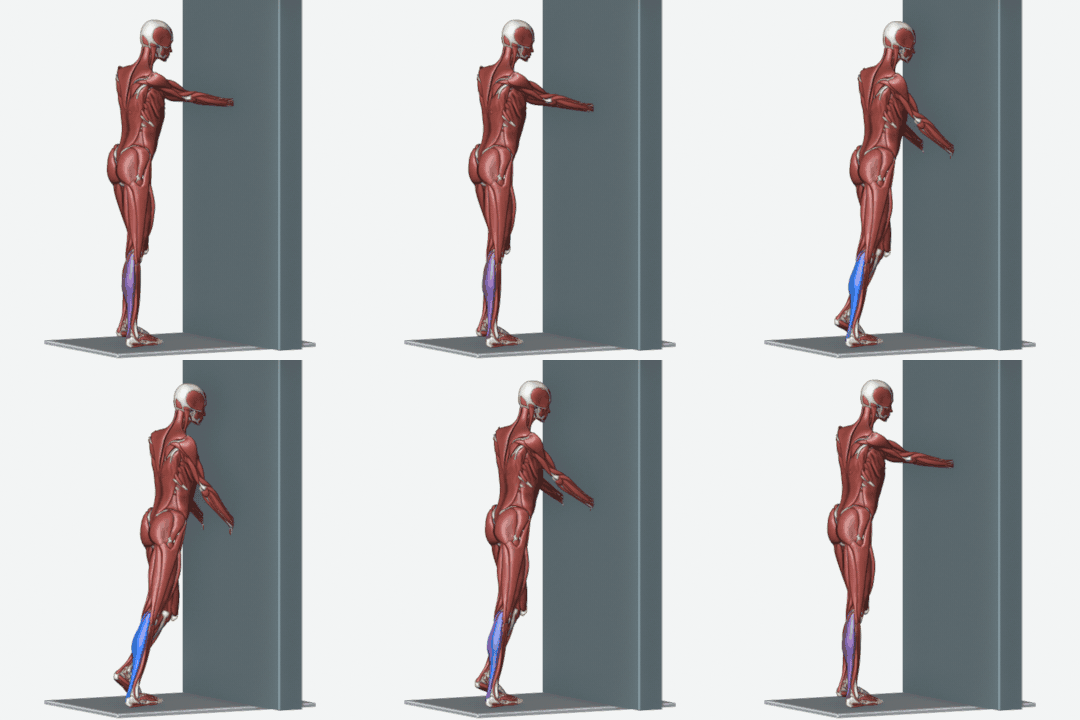
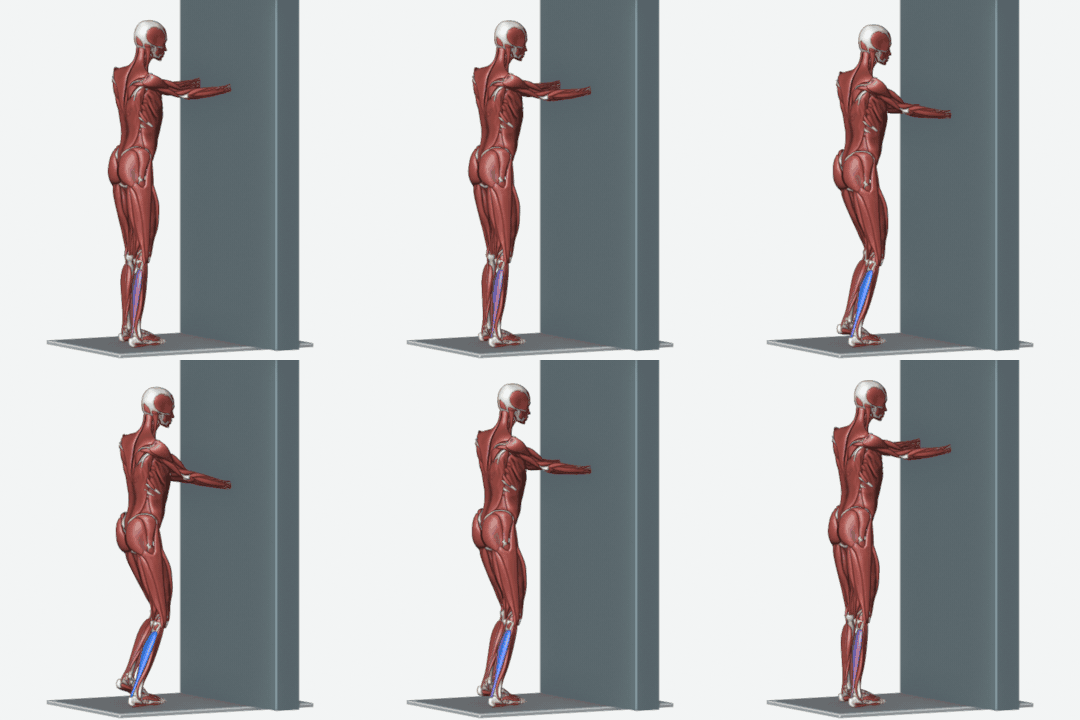
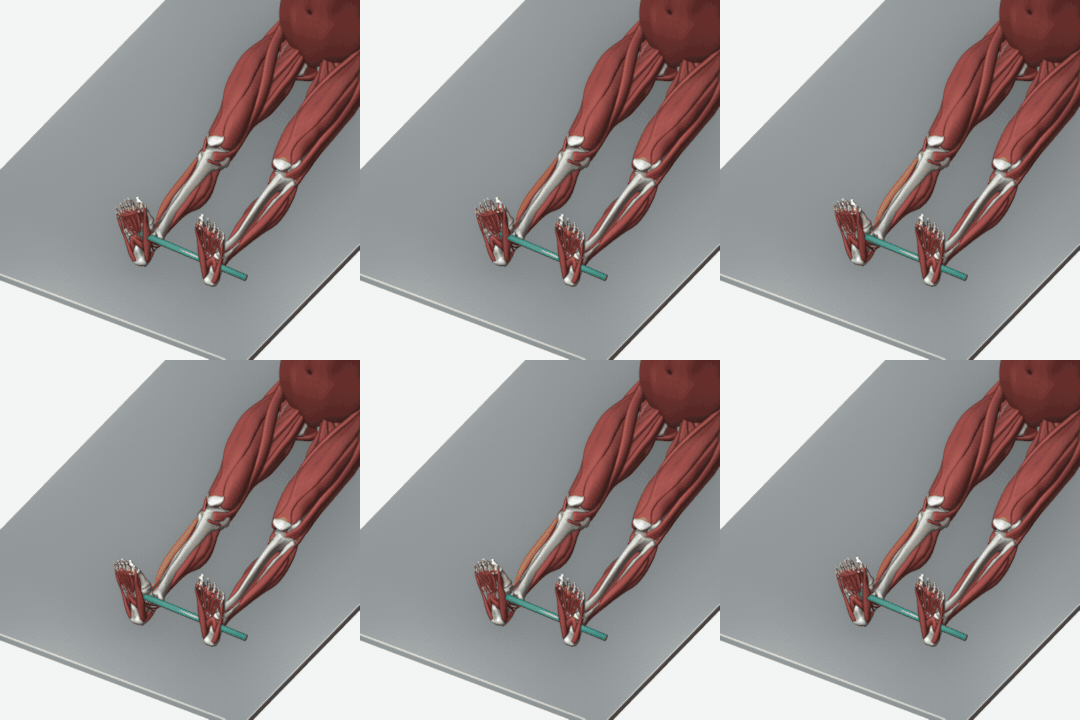
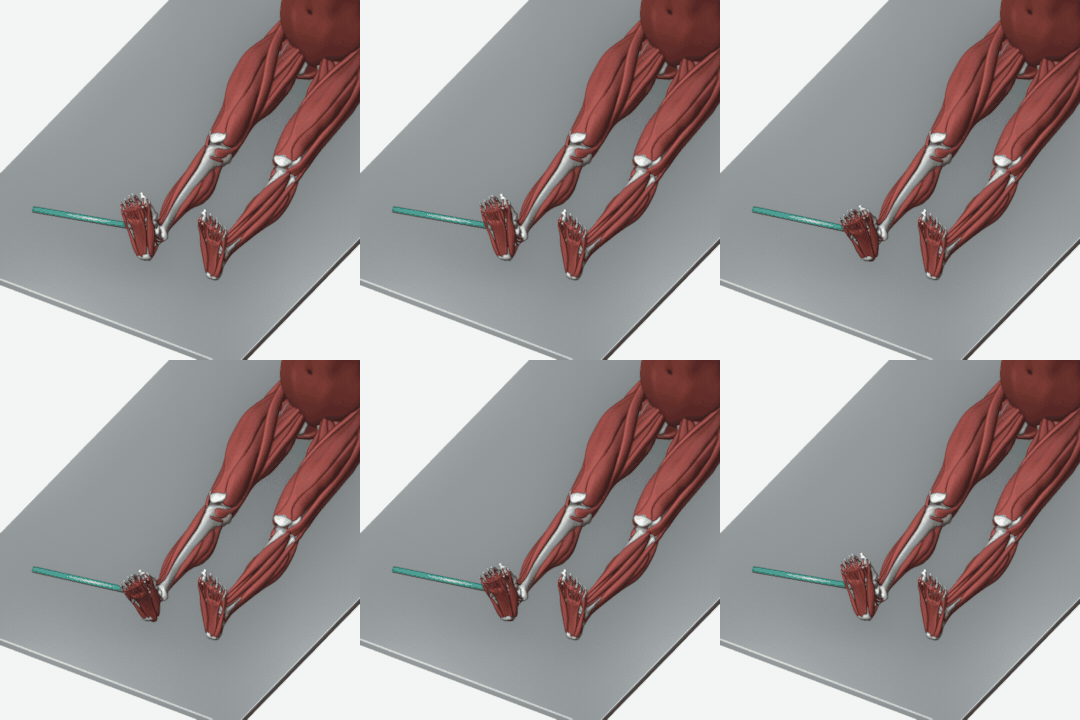
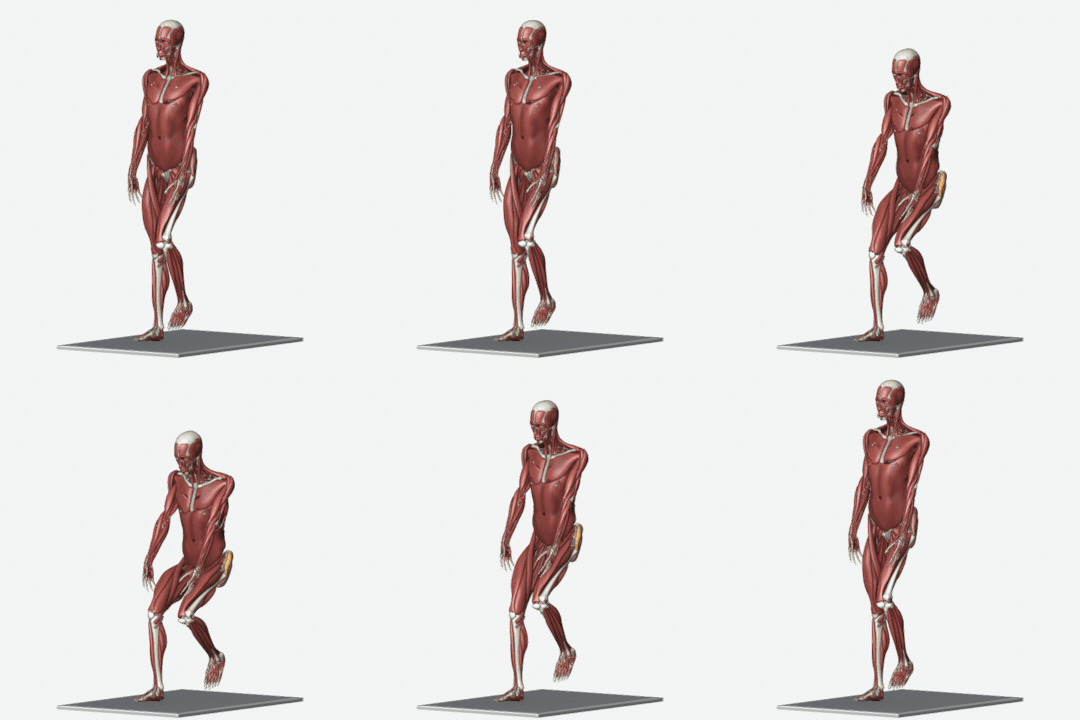
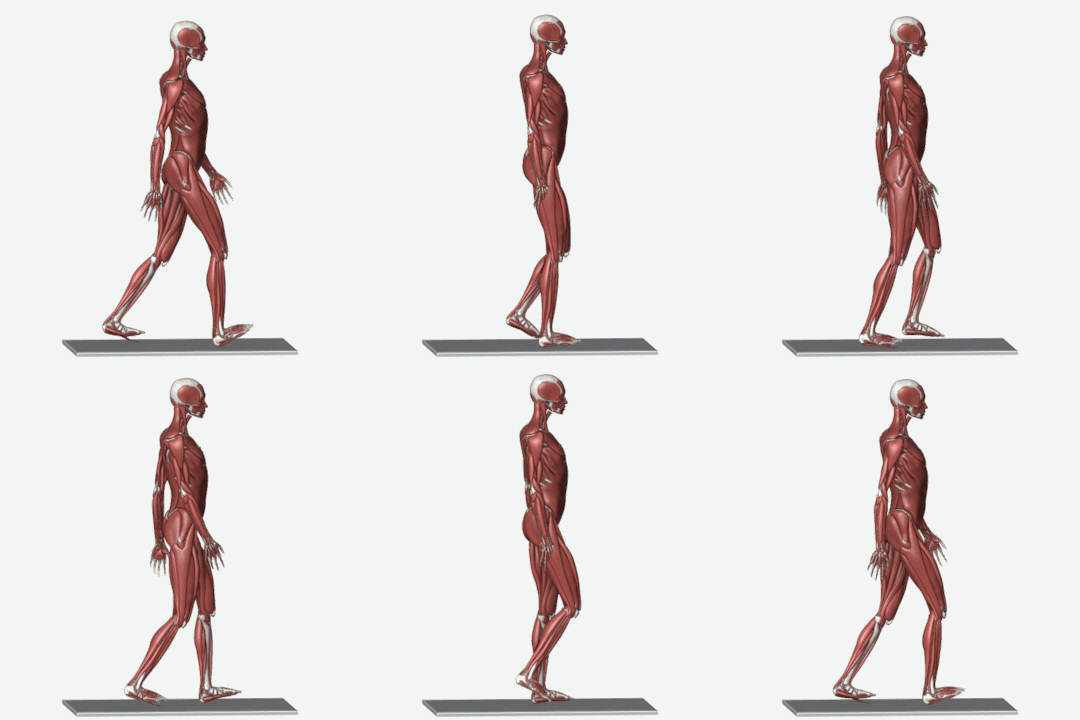
This example is for a moderate grade; each stage runs shorter or longer with the measured grade, and a person's own programme is written after assessment, around their other conditions and limits. If a movement causes pain, stop it and contact the clinic. Muscle colours in the animations: orange working, blue stretching, amber holding still.
Every number on this page is measured on the skin surface in a photograph. That is not the same as a measurement taken on a radiograph: it correlates with one and does not replace it. Wherever the decision depends on imaging, this page and the report itself say so.
What happens at the clinic
The assessment starts with three standing photographs — front, side and back. Every angle is measured on those photographs, the report prints the number and the grade for each, and the exercise programme is built from those numbers rather than from a template. Posture analysis explains the whole path, and the online assessment can be started from your own photograph now.
Frequently asked questions
At what point is pes cavus (by arch height) reported?
When archindexr is above 0.31, it is reported as a finding. That is where the "Borderline arch" band begins. The bands come from: NNHt adult bands: 0.32-0.35 supinated, >0.35 highly supinated
Can pes cavus (by arch height) be assessed from a photograph?
A photograph gives a number, which most assessments do not have. But it is a surface measurement and it does not replace imaging. A high, stiff arch deserves a look for a neurological cause; a one-sided or progressing cavus is a warning sign.
What is the most severe grade?
The worst band in this table is "Severely cavus foot". The grade is printed beside the measurement itself in the report, so it is always clear which number produced the word.