
What it means
The knees touching with a gap between the ankles, loading the lateral condyle.
Where it comes from
Axis misalignment with weak glutes and foot pronation driving the knee inward.
How it is measured
It is measured on the front view, in the coronal plane. The defining measurement is Knee alignment — bowed or knock-kneed (Hip-knee-ankle axis deviation), and it is reported as a finding from above 3°. The number is computed from landmarks on that photograph — not estimated by eye, and not compared against a stock example.
What the numbers mean
| Measurement | Grade |
|---|---|
| up to 3° | Within normal range |
| 3–6° | Mild knock knee |
| 6–10° | Moderate knock knee |
| 10° and above | Severe knock knee |
Source of the bands: Hip-knee-ankle deviation from straight; intermalleolar distance beyond ~8 cm is the conventional tape threshold
What is usually seen alongside it
- Gap between the ankles (Intermalleolar distance) — above 8°
- Heel rolls inward (Rearfoot angle) — above 5°
None of these is a diagnosis on its own. Together they corroborate the finding; apart, they do not refute it — a measurement nobody took counts neither for nor against.
What confirms it
Intermalleolar distance with the knees together; a standing full-length radiograph.
Knock knees in children — the normal curve of growth
The knee angle in childhood is not fixed. It follows a definite path, and knowing that path resolves most of the worry.
The path the knee follows
Yoo and colleagues [1], across 818 limbs from 452 children, reported this sequence: varus before one year, neutral at around eighteen months, then increasing valgus to a peak of about 7.8° at four years, followed by a gradual decrease to the adult level of roughly 5 to 6° by seven or eight years of age.
So a four-year-old's knock knees are, in most cases, the peak of a normal curve rather than a deformity.
And a number that should not be assumed universal
Baruah and colleagues [2], in 1,020 children aged two to eighteen, found the peak at 8.55° at seven years, settling to 3.18° by eighteen. Yoo had explicitly noted that in his sample the development ran later than previously described.
⚠️ Two studies, two different peaks at two different ages. Baruah writes that the physiological range is poorly defined, and that this may lead to unnecessary therapeutic interventions, and that ethnic differences exist. No Iranian normative data is available — so a child's number should be read cautiously and alongside age and trend, not against one universal table.
That disagreement is the main reason a single number settles nothing. What carries meaning is where the number falls on the curve for that age, and which way it has moved between two measurements.
What warrants assessment: clear asymmetry between the knees, pain, a limp, disproportionately short stature, or an alignment that worsens with age instead of improving.
References
- Yoo JH, Choi IH, Cho TJ, Chung CY, Yoo WJ. Development of tibiofemoral angle in Korean children. J Korean Med Sci. 2008;23(4):714–717. PMID 18756063 · DOI 10.3346/jkms.2008.23.4.714
- Baruah RK, Kumar S, Harikrishnan SV. Developmental pattern of tibiofemoral angle in healthy north-east Indian children. J Child Orthop. 2017;11(5):339–347. PMID 29081848 · DOI 10.1302/1863-2548.11.170047
The evidence on this
Study summaries that measured this finding — with their numbers and their limits.
- Foot orthoses for flat feet in children — Systematic review, 22 studies
- How accurate is motion capture from a phone camera — Systematic review and three-level meta-analysis, 12 studies
The exercise programme
The knee is caught between the hip and the foot. Correction almost always comes from above (gluteus medius) and below (rearfoot control), not at the knee itself.
The stages advance on a standard, not on the calendar:
- Stage 1 — release and wake up — weeks 1–4: TFL and lateral thigh release, Adductor stretch
Move on: When the movement is done without pain and without compensating, and the stretch is no longer what limits it. - Stage 2 — control — weeks 3–8: Adductor stretch, Clamshell — gluteus medius, Side-lying hip abduction, Banded lateral walk, Wall squat with knee control
Move on: When the target muscle is felt through the whole range and the last set looks like the first. - Stage 3 — load and integration — weeks 6–16: Clamshell — gluteus medius, Side-lying hip abduction, Banded lateral walk, Wall squat with knee control, Single-leg balance and squat, Split squat, Single-leg deadlift, Controlled step-down
Move on: When the corrected pattern holds in everyday movement and under fatigue.
Each session 20–30 minutes, 3–3 times a week, for at least 24 weeks. (from a study)
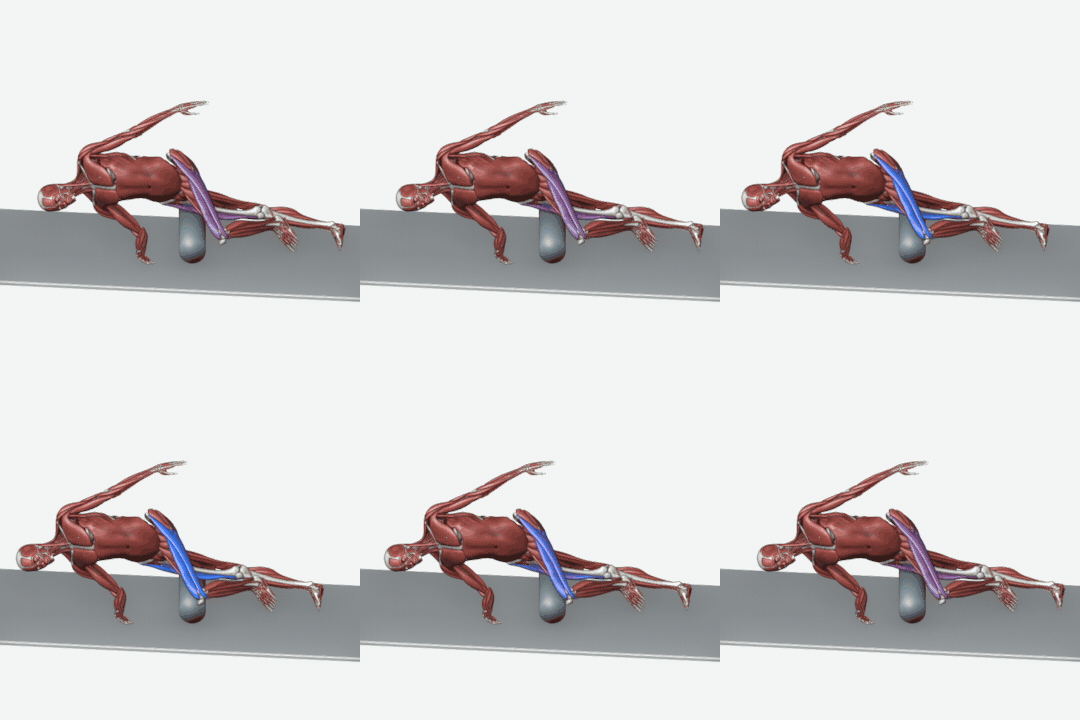
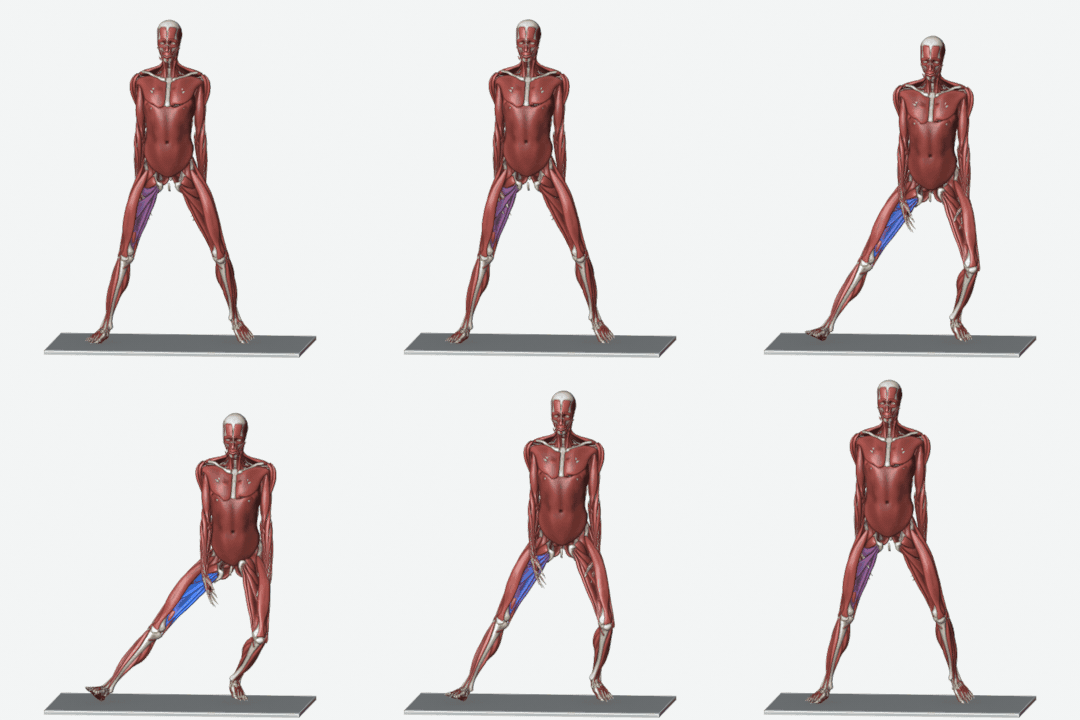
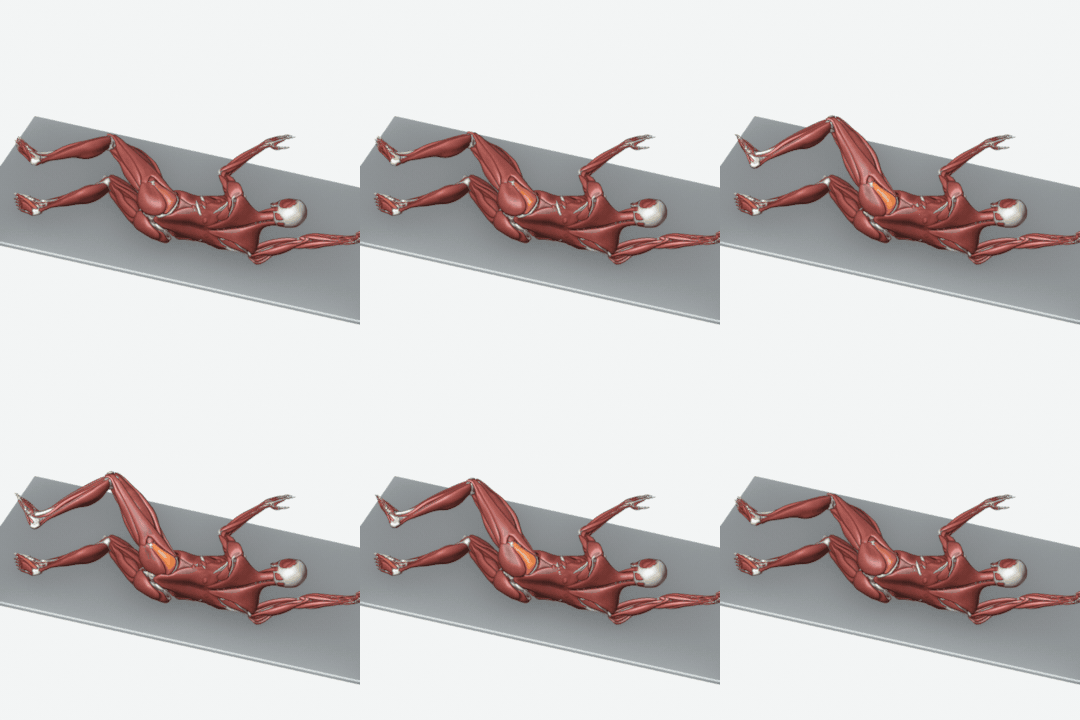
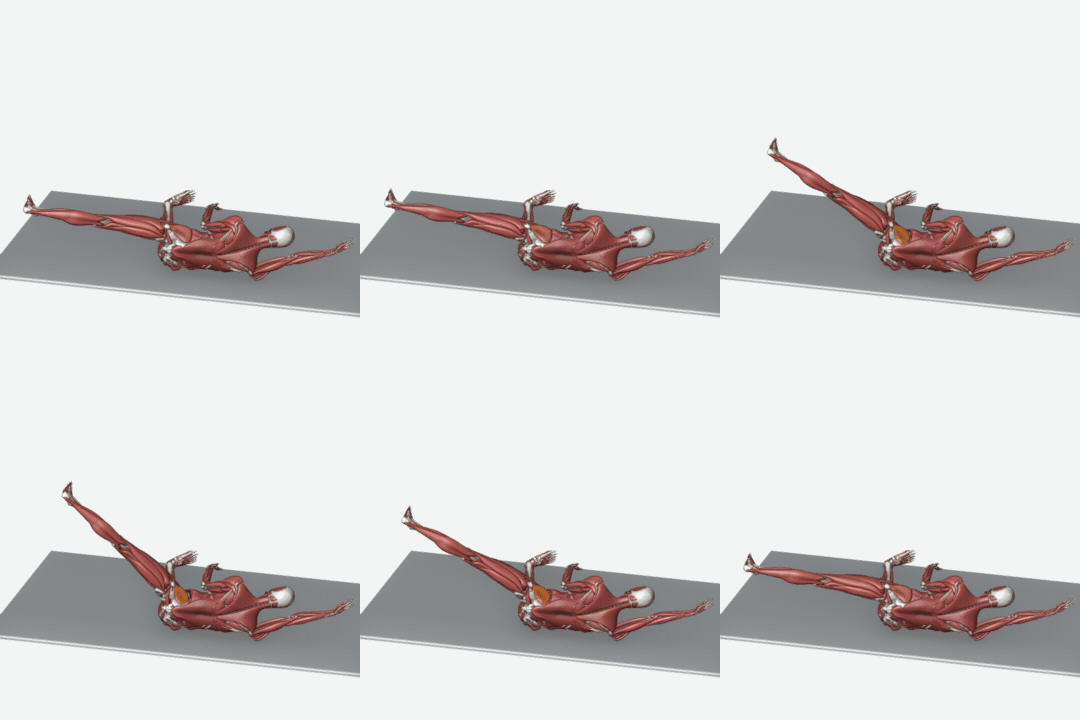
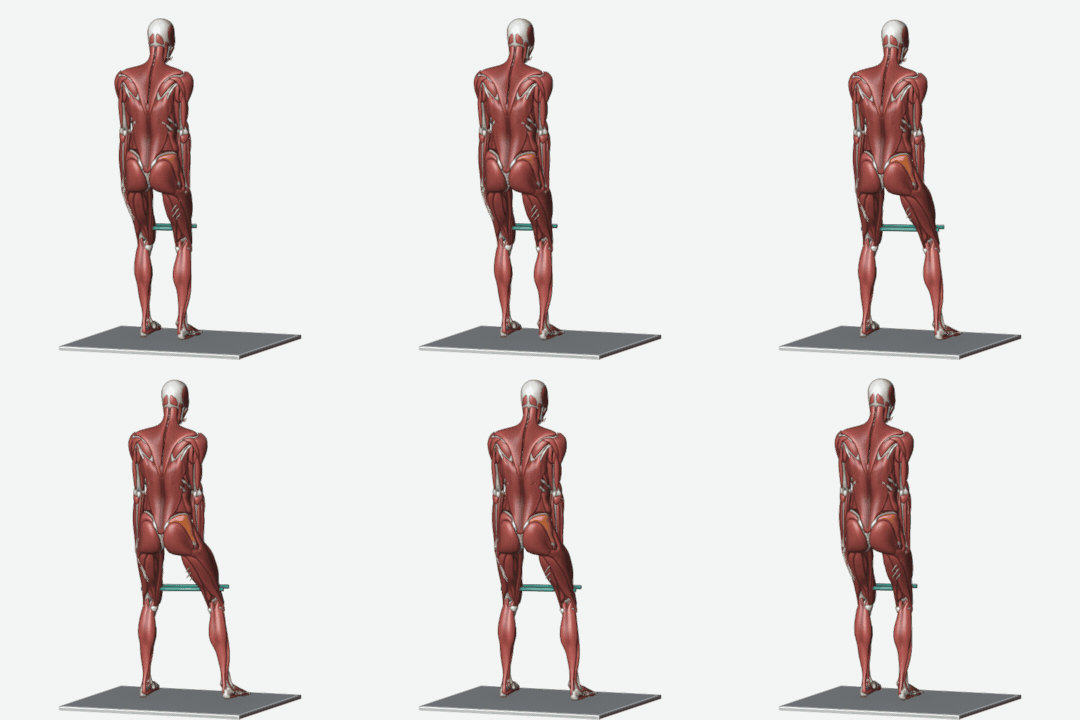
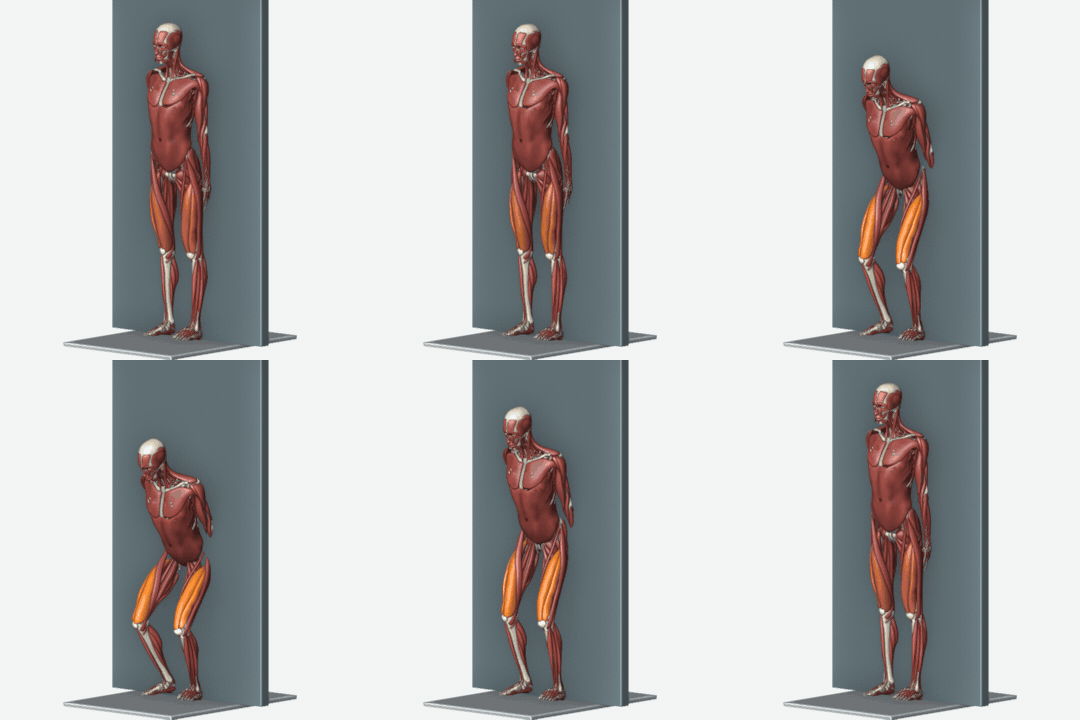
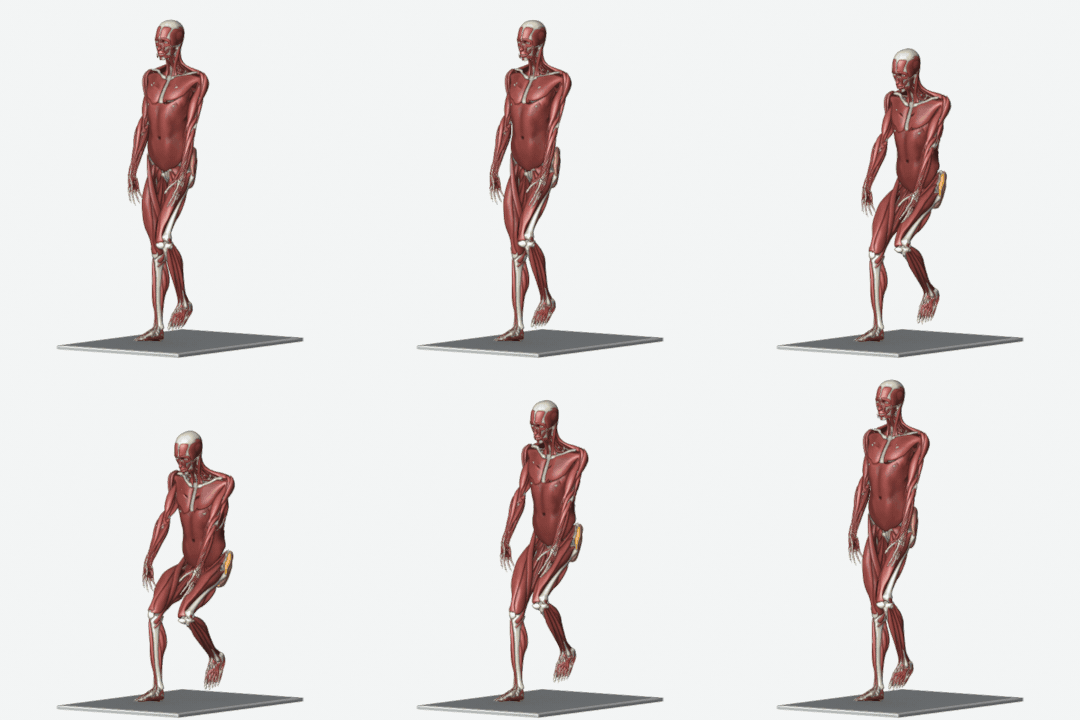
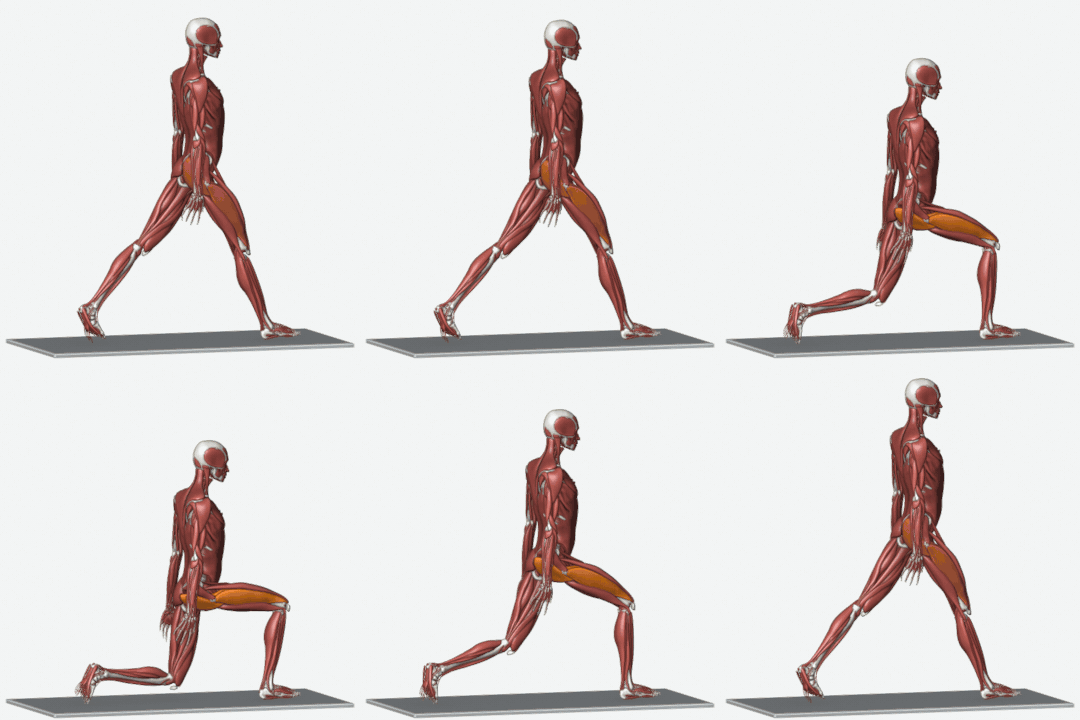
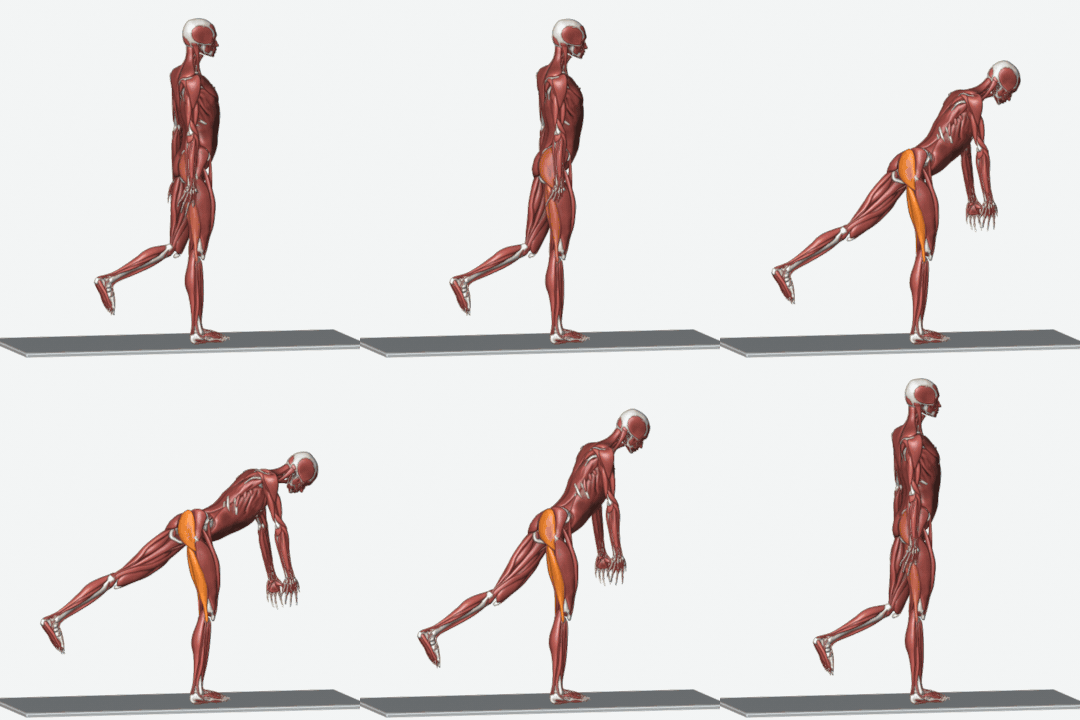
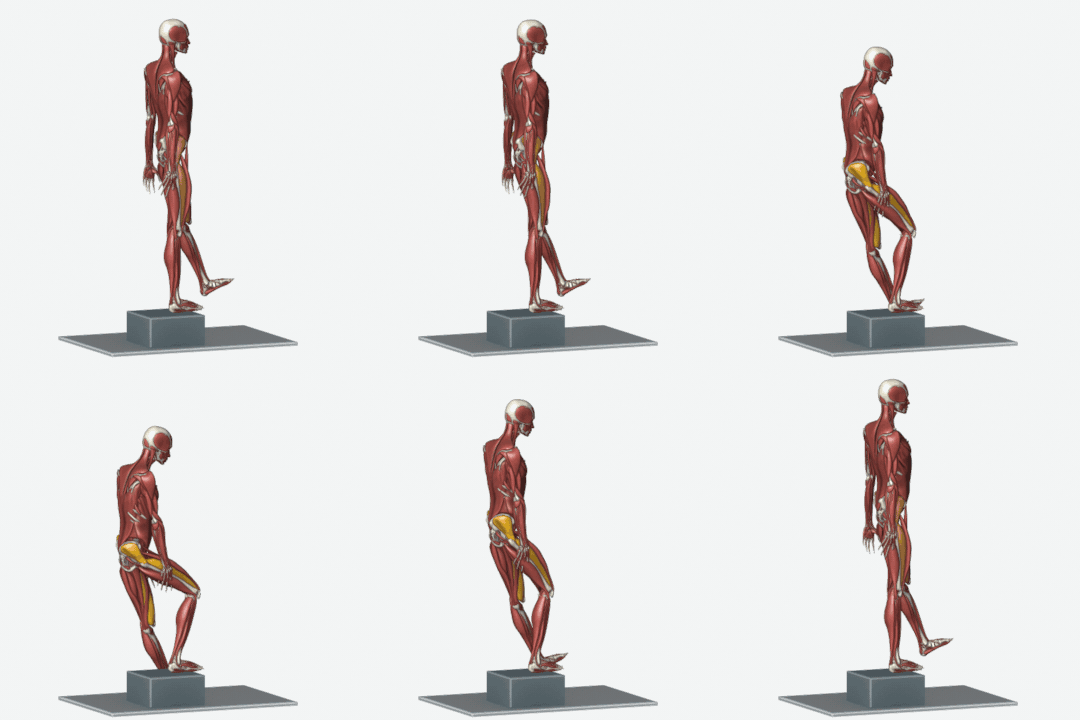
This example is for a moderate grade; each stage runs shorter or longer with the measured grade, and a person's own programme is written after assessment, around their other conditions and limits. If a movement causes pain, stop it and contact the clinic. Muscle colours in the animations: orange working, blue stretching, amber holding still.
Every number on this page is measured on the skin surface in a photograph. That is not the same as a measurement taken on a radiograph: it correlates with one and does not replace it. Wherever the decision depends on imaging, this page and the report itself say so.
What happens at the clinic
The assessment starts with three standing photographs — front, side and back. Every angle is measured on those photographs, the report prints the number and the grade for each, and the exercise programme is built from those numbers rather than from a template. Posture analysis explains the whole path, and the online assessment can be started from your own photograph now.
Frequently asked questions
At what point is genu valgum reported?
When knee alignment — bowed or knock-kneed (hip-knee-ankle axis deviation) is above 3°, it is reported as a finding. That is where the "Mild knock knee" band begins. The bands come from: Hip-knee-ankle deviation from straight; intermalleolar distance beyond ~8 cm is the conventional tape threshold
Can genu valgum be assessed from a photograph?
A photograph gives a number, which most assessments do not have. But it is a surface measurement and it does not replace imaging. Intermalleolar distance with the knees together; a standing full-length radiograph.
What is the most severe grade?
The worst band in this table is "Severe knock knee". The grade is printed beside the measurement itself in the report, so it is always clear which number produced the word.