
What it means
The pelvis rotated back with a flattened low back and a tucked buttock.
Where it comes from
Short hamstrings and abdominals with weak back extensors.
How it is measured
It is measured on the side view, in the sagittal plane. The defining measurement is Pelvis tipped forward or back (Sagittal pelvic tilt), and it is reported as a finding from above 0°. The number is computed from landmarks on that photograph — not estimated by eye, and not compared against a stock example.
What the numbers mean
| Measurement | Grade |
|---|---|
| up to 0° | Within normal range |
| 0–5° | Mild posterior tilt |
| 5–10° | Moderate posterior tilt |
| 10° and above | Severe posterior tilt |
Source of the bands: Herrington L, Man Ther 2011;16:646-8
What is usually seen alongside it
- Sway back (Lumbar lordosis) — below 20°
None of these is a diagnosis on its own. Together they corroborate the finding; apart, they do not refute it — a measurement nobody took counts neither for nor against.
What confirms it
Hamstring shortness with weak back extensors; the popliteal angle test.
Posterior pelvic tilt — the least common of the three
Unlike anterior tilt, which most people without symptoms have, posterior tilt is uncommon.
The numbers
Herrington [1] measured pelvic angle in 120 healthy, asymptomatic people. The distribution:
- Anterior tilt: 85% of men, 75% of women
- Neutral: 9% of men, 18% of women
- Posterior tilt: 6% of men, 7% of women
So posterior tilt appears in roughly one in fifteen people with no symptoms. Being uncommon means it is seen less often, not that it is diseased — just as anterior tilt being common does not make it healthy.
What makes the number mean something
⚠️ Herrington notes how little normative data exists against which findings in a symptomatic population could be compared. A number on its own, without symptoms and without the rest of the movement chain, does not make a treatment decision.
A newly appearing posterior tilt in an adult, particularly with back pain or a changed walking pattern, is worth assessing.
References
- Herrington L. Assessment of the degree of pelvic tilt within a normal asymptomatic population. Man Ther. 2011;16(6):646–648. PMID 21658988 · DOI 10.1016/j.math.2011.04.006
The exercise programme
The pelvis is rolled back and the lumbar curve is flattened. The protocol: (1) stretch the short hamstrings that pull the pelvis back; (2) strengthen the quadriceps and hip flexors — the straight-leg raise works rectus femoris, the one quadriceps head that also crosses the hip and tips the pelvis forward; (3) strengthen the lumbar extensors; (4) hold a neutral pelvis over the thigh in the hinge and in standing. Anything that tucks the pelvis further — a bridge cued to tuck first, a dead bug pressing the back flat — is left out.
The stages advance on a standard, not on the calendar:
- Stage 1 — release and wake up — weeks 1–4: Hamstring stretch, Supine hamstring stretch
Move on: When the movement is done without pain and without compensating, and the stretch is no longer what limits it. - Stage 2 — control — weeks 3–8: Hamstring stretch, Supine hamstring stretch, Straight leg raise — quadriceps, Standing hip flexor lift, Prone back extension
Move on: When the target muscle is felt through the whole range and the last set looks like the first. - Stage 3 — load and integration — weeks 6–16: Straight leg raise — quadriceps, Standing hip flexor lift, Prone back extension, Hip hinge pattern, Standing posture reset
Move on: When the corrected pattern holds in everyday movement and under fatigue.
Each session 15–20 minutes, 6–7 times a week, for at least 16 weeks. (from a study)
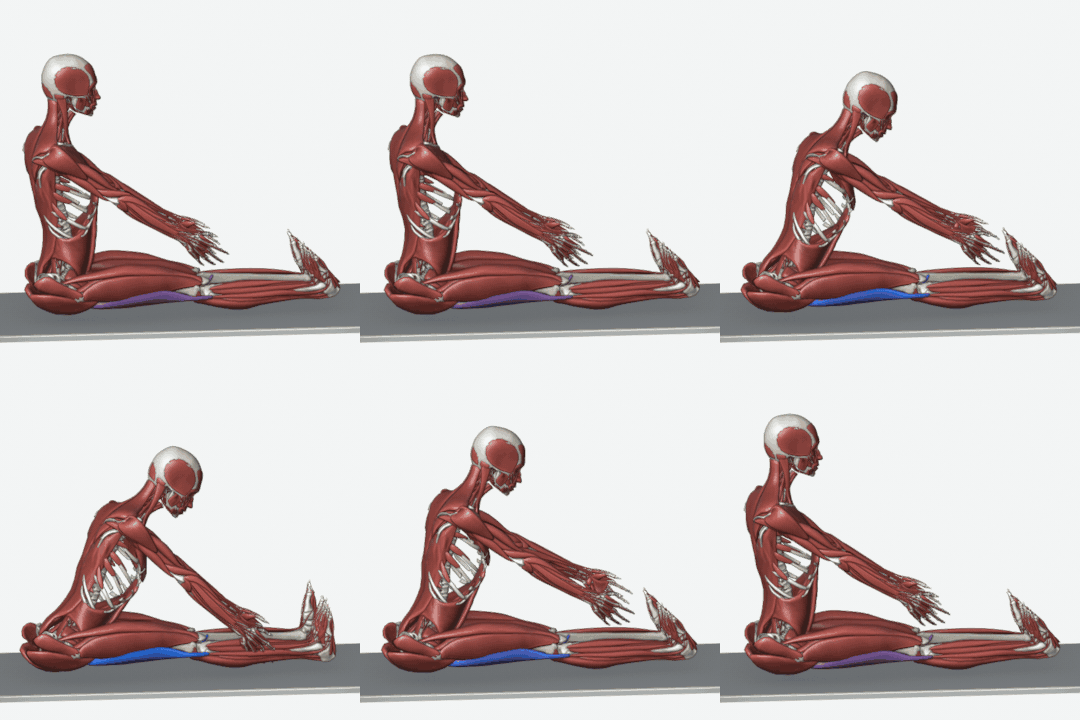
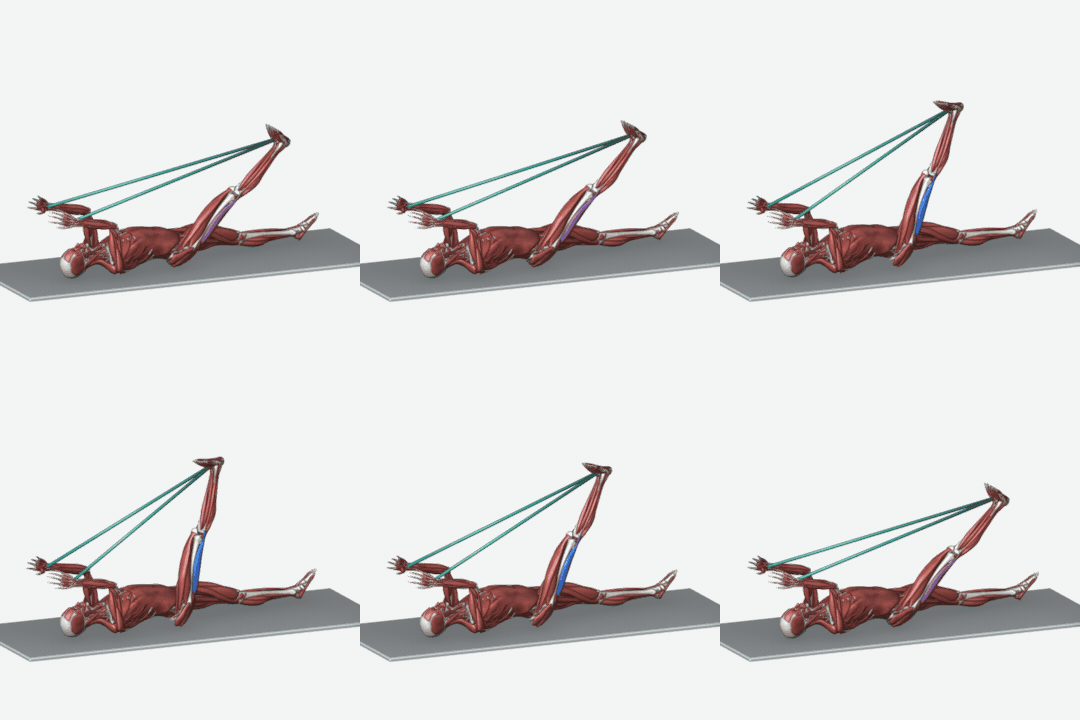
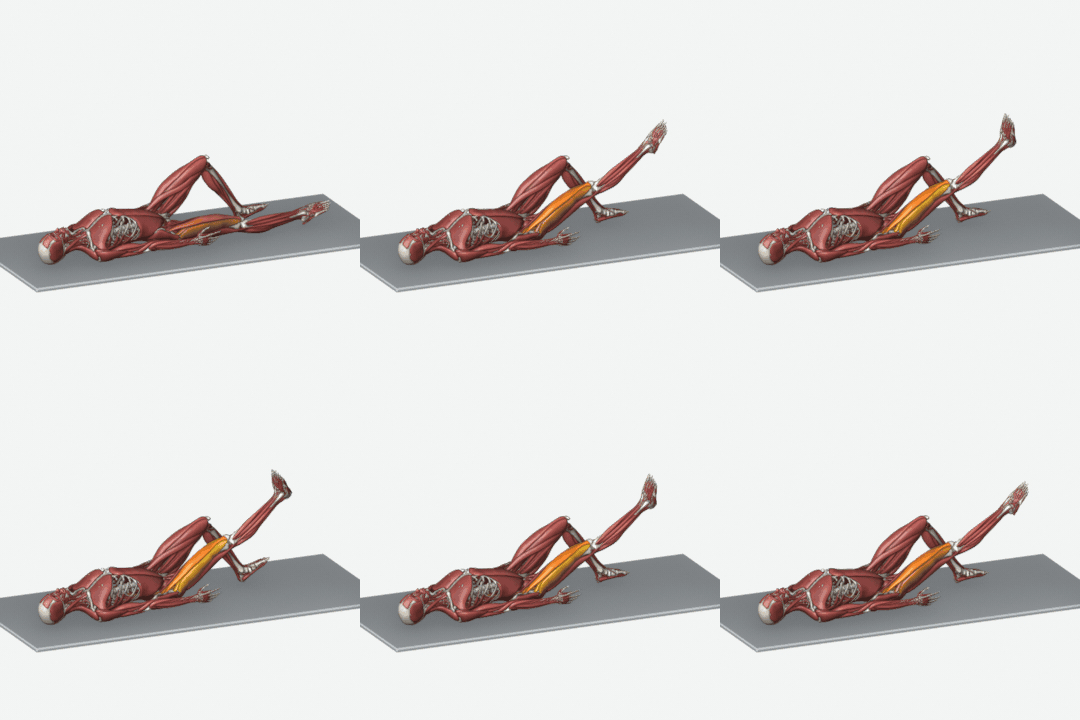
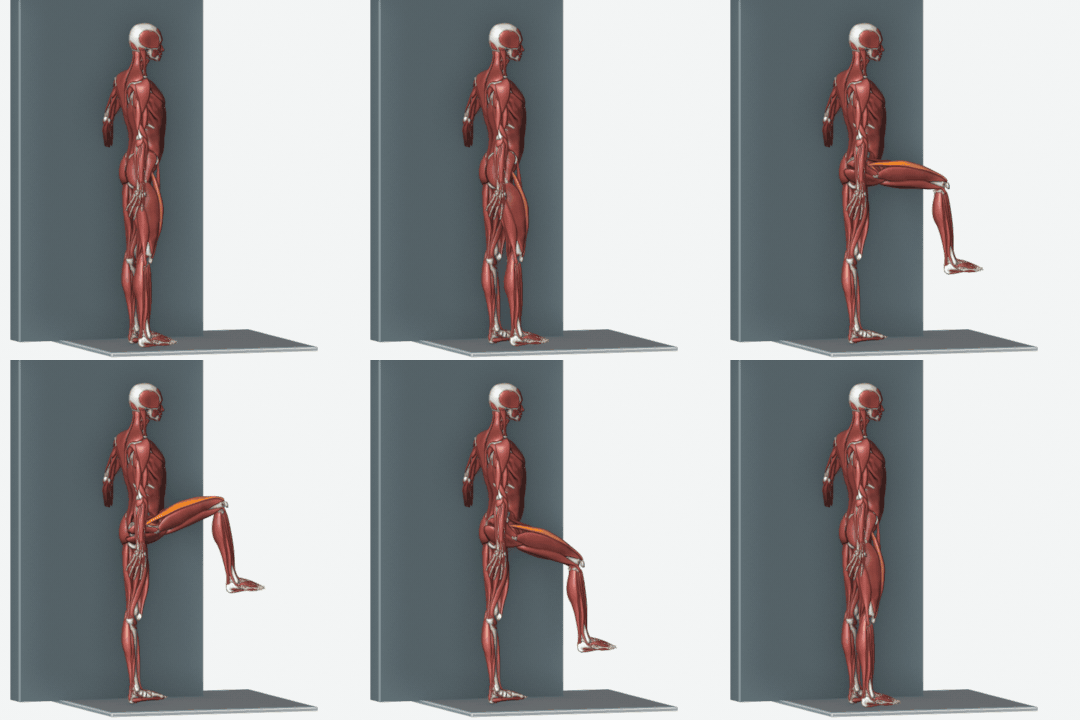
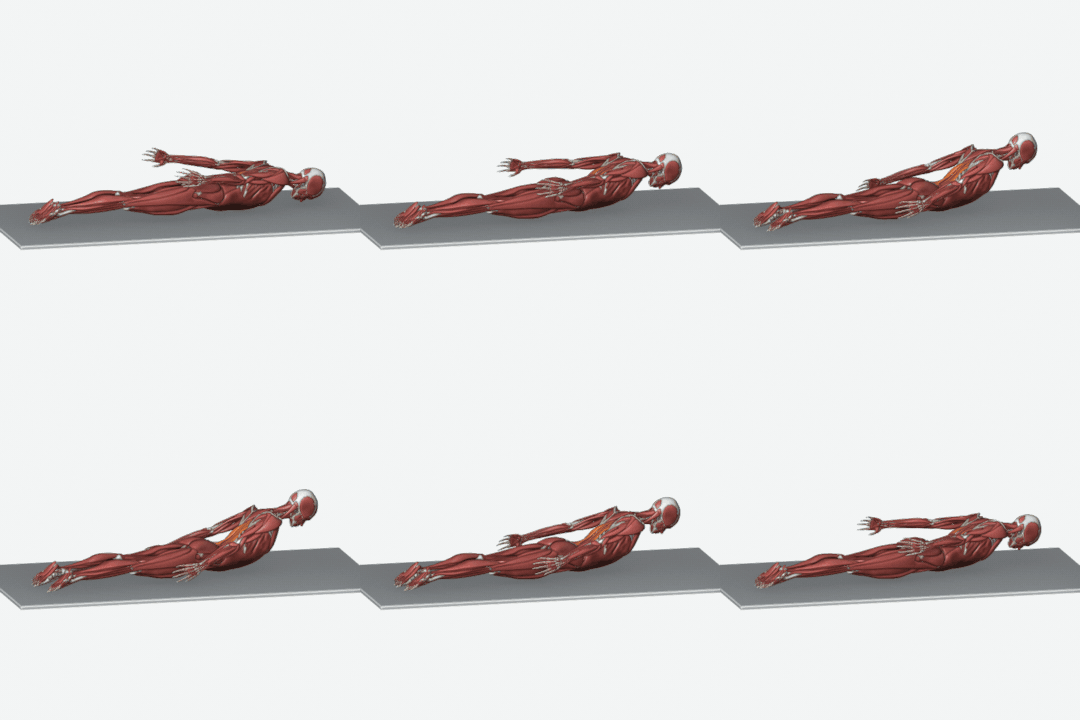
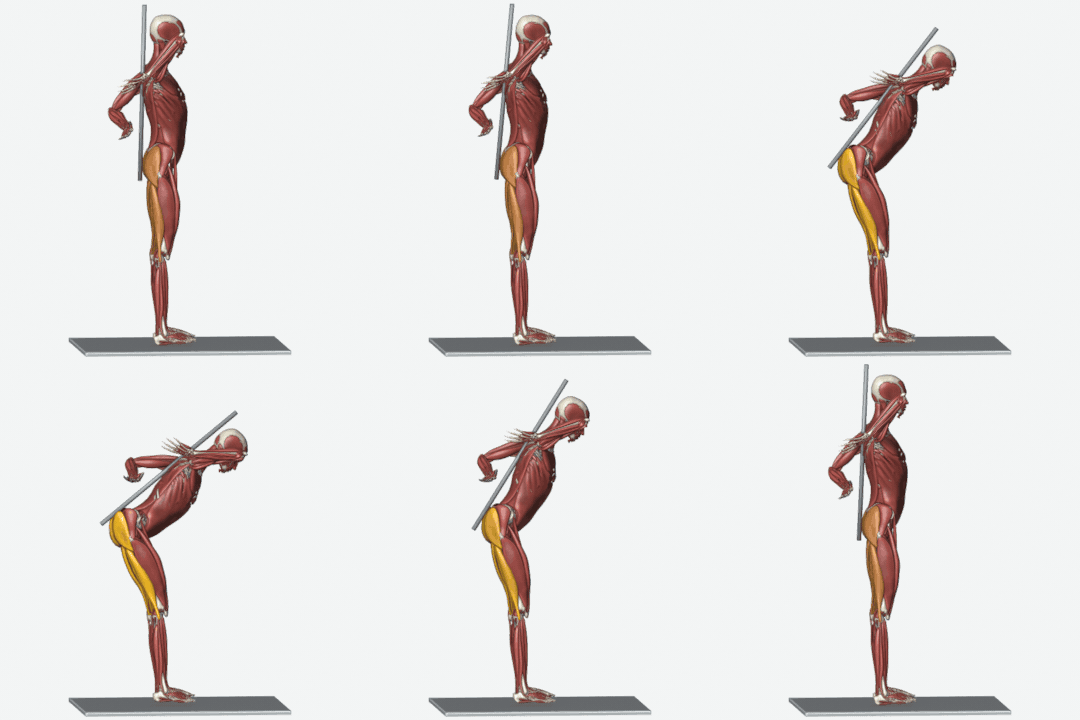
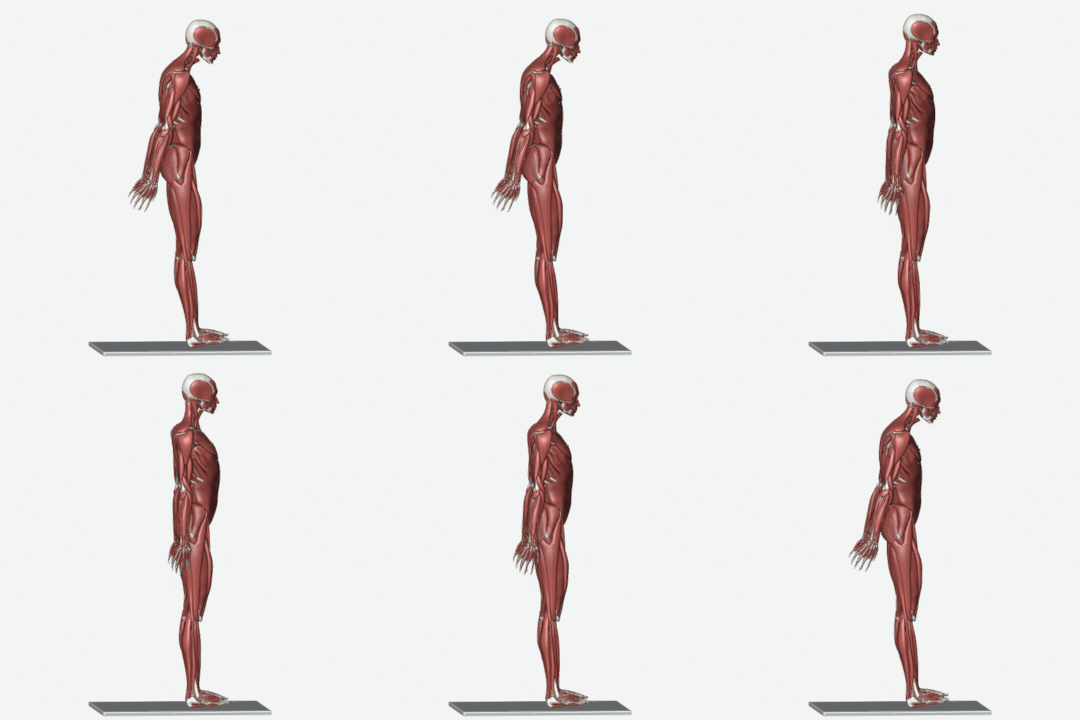
This example is for a moderate grade; each stage runs shorter or longer with the measured grade, and a person's own programme is written after assessment, around their other conditions and limits. If a movement causes pain, stop it and contact the clinic. Muscle colours in the animations: orange working, blue stretching, amber holding still.
Every number on this page is measured on the skin surface in a photograph. That is not the same as a measurement taken on a radiograph: it correlates with one and does not replace it. Wherever the decision depends on imaging, this page and the report itself say so.
What happens at the clinic
The assessment starts with three standing photographs — front, side and back. Every angle is measured on those photographs, the report prints the number and the grade for each, and the exercise programme is built from those numbers rather than from a template. Posture analysis explains the whole path, and the online assessment can be started from your own photograph now.
Frequently asked questions
At what point is posterior pelvic tilt reported?
When pelvis tipped forward or back (sagittal pelvic tilt) is above 0°, it is reported as a finding. That is where the "Mild posterior tilt" band begins. The bands come from: Herrington L, Man Ther 2011;16:646-8
Can posterior pelvic tilt be assessed from a photograph?
A photograph gives a number, which most assessments do not have. But it is a surface measurement and it does not replace imaging. Hamstring shortness with weak back extensors; the popliteal angle test.
What is the most severe grade?
The worst band in this table is "Severe posterior tilt". The grade is printed beside the measurement itself in the report, so it is always clear which number produced the word.