
What it means
A heel angled in or out when seen from behind, wearing the shoe on one side.
Where it comes from
Subtalar misalignment that rotates the whole lower limb chain.
How it is measured
It is measured on the back view, in the coronal plane. The defining measurement is Heel rolls inward (Rearfoot angle), and it is reported as a finding from above 5°. The number is computed from landmarks on that photograph — not estimated by eye, and not compared against a stock example.
What the numbers mean
| Measurement | Grade |
|---|---|
| up to 5° | Within normal range |
| 5–9° | Mild rearfoot valgus |
| 9–14° | Moderate rearfoot valgus |
| 14° and above | Severe rearfoot valgus |
Source of the bands: Relaxed calcaneal stance position; up to ~5° of eversion is the conventional normal
What confirms it
The navicular drop and the single heel raise separate a flexible flat foot from a rigid one — both belong to the foot-scan section.
Heel rolling in — mild pronation is the normal foot
"Your foot pronates" tends to be said in a worried tone. The normative figures say mild pronation is what should be expected.
The reference figure
Redmond and colleagues [1] pooled nine datasets — 1,648 observations — and analysed the 619 healthy people among them separately. Their conclusion is explicit: a slightly pronated foot posture is the normal position at rest, with a mean Foot Posture Index of +4.
Gijón-Nogueron and colleagues [2] measured the same thing in 1,762 children aged six to eleven: means of 3.74 and 3.83 for the two feet, and a 50th percentile of exactly 4. The same value, in childhood too.
So what is abnormal
Not pronation itself, but how much of it, and what comes with it. A value clearly outside the reference range is worth looking at; a value near +4 is the norm — and treating the norm is treating something that was not a problem.
⚠️ What warrants assessment: pain, obvious asymmetry between the feet, uneven shoe wear, or an alignment that has changed quickly.
And a caveat about method
⚠️ The FPI is a six-item observational assessment done by hand. What this page measures is the rearfoot angle from a photograph — aligned with it, but not the same thing. The figures above are here to establish what normal looks like, not to be laid directly onto the number on this page.
References
- Redmond AC, Crane YZ, Menz HB. Normative values for the Foot Posture Index. J Foot Ankle Res. 2008;1(1):6. PMID 18822155 · DOI 10.1186/1757-1146-1-6
- Gijon-Nogueron G, Montes-Alguacil J, Alfageme-Garcia P, Cervera-Marin JA, Morales-Asencio JM, Martinez-Nova A. Establishing normative foot posture index values for the paediatric population: a cross-sectional study. J Foot Ankle Res. 2016;9:24. PMID 27468312 · DOI 10.1186/s13047-016-0156-3
The evidence on this
Study summaries that measured this finding — with their numbers and their limits.
- Foot orthoses for flat feet in children — Systematic review, 22 studies
- What foot orthoses improve in heel pain — Systematic review and meta-analysis, 8 randomised controlled trials
The exercise programme
A heel that rolls in or out rotates the tibia, and the effect travels up to the knee and hip. Arch control is the first link in that chain.
The stages advance on a standard, not on the calendar:
- Stage 1 — release and wake up — weeks 1–4: Plantar fascia release, Calf and Achilles stretch, Soleus stretch (bent knee)
Move on: When the movement is done without pain and without compensating, and the stretch is no longer what limits it. - Stage 2 — control — weeks 3–8: Calf and Achilles stretch, Soleus stretch (bent knee), Short foot exercise, Tibialis posterior strengthening, Heel raise
Move on: When the target muscle is felt through the whole range and the last set looks like the first. - Stage 3 — load and integration — weeks 6–16: Short foot exercise, Tibialis posterior strengthening, Heel raise, Single-leg balance and squat, Gait pattern drill
Move on: When the corrected pattern holds in everyday movement and under fatigue.
Each session 20–30 minutes, 3–3 times a week, for at least 24 weeks. (from a study)
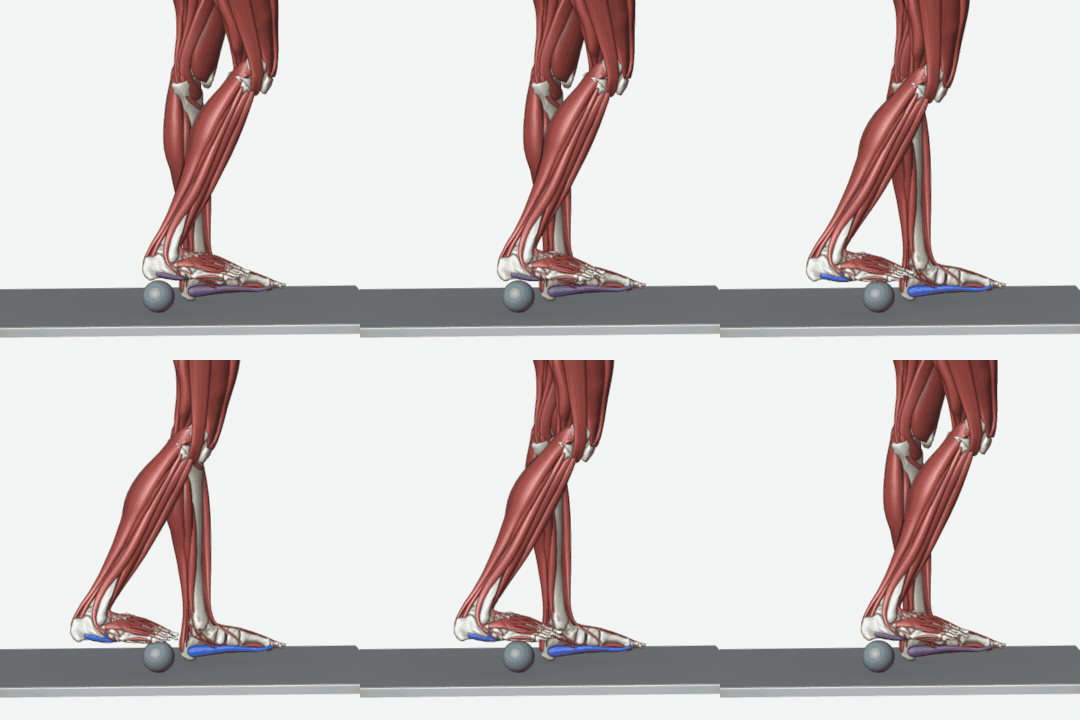
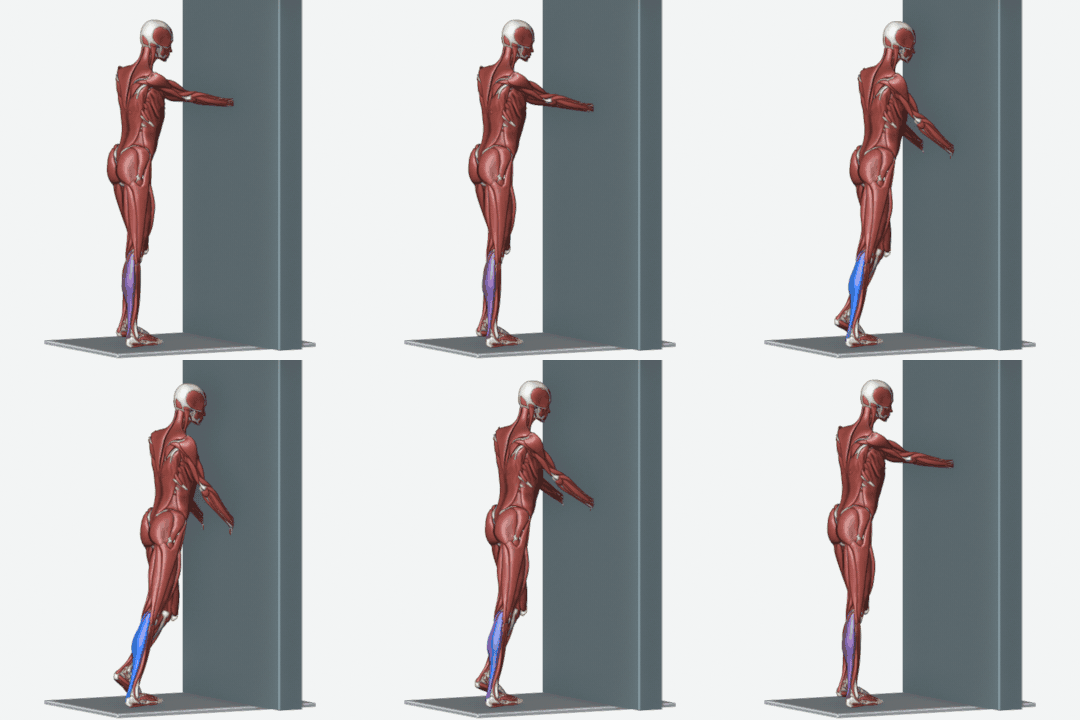
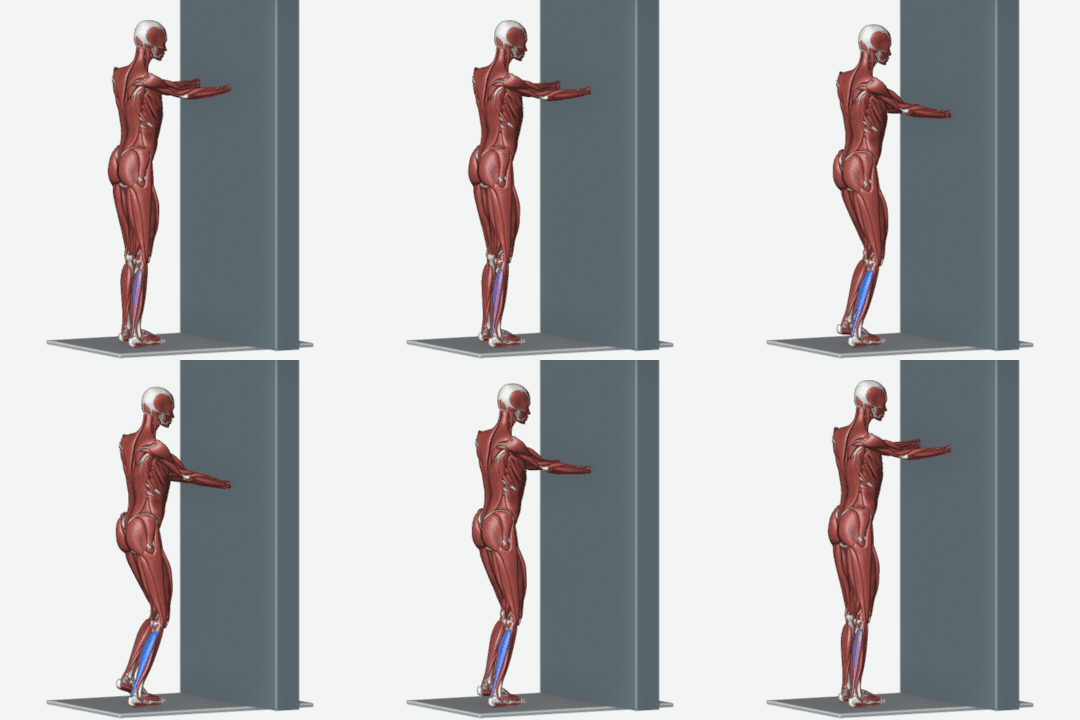
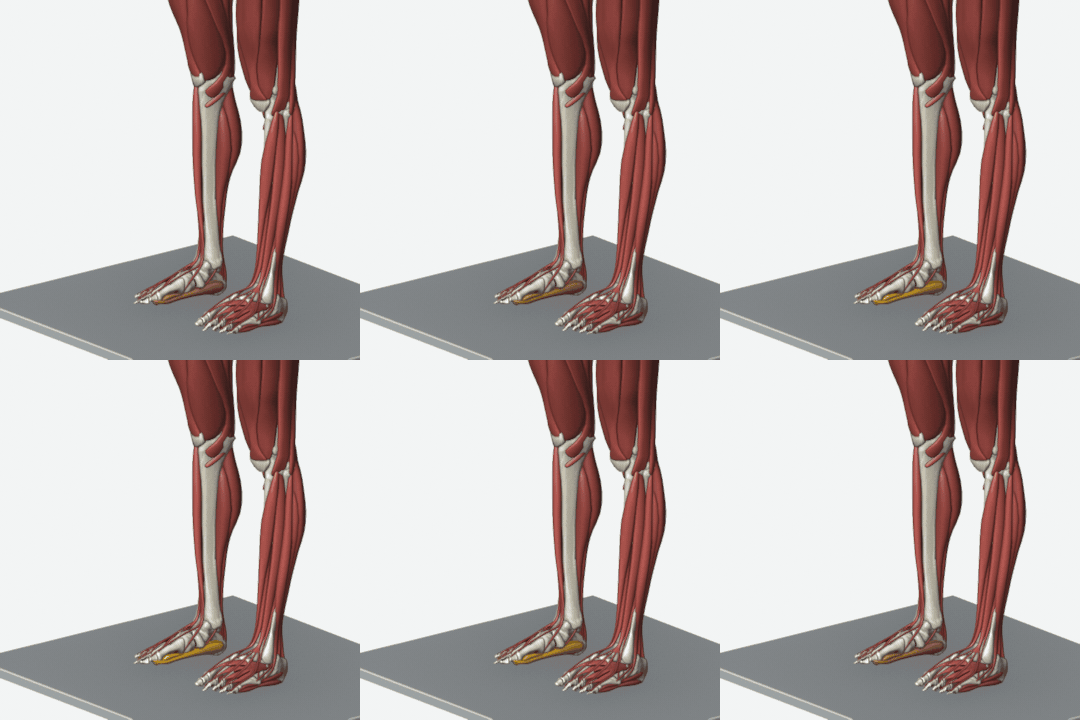
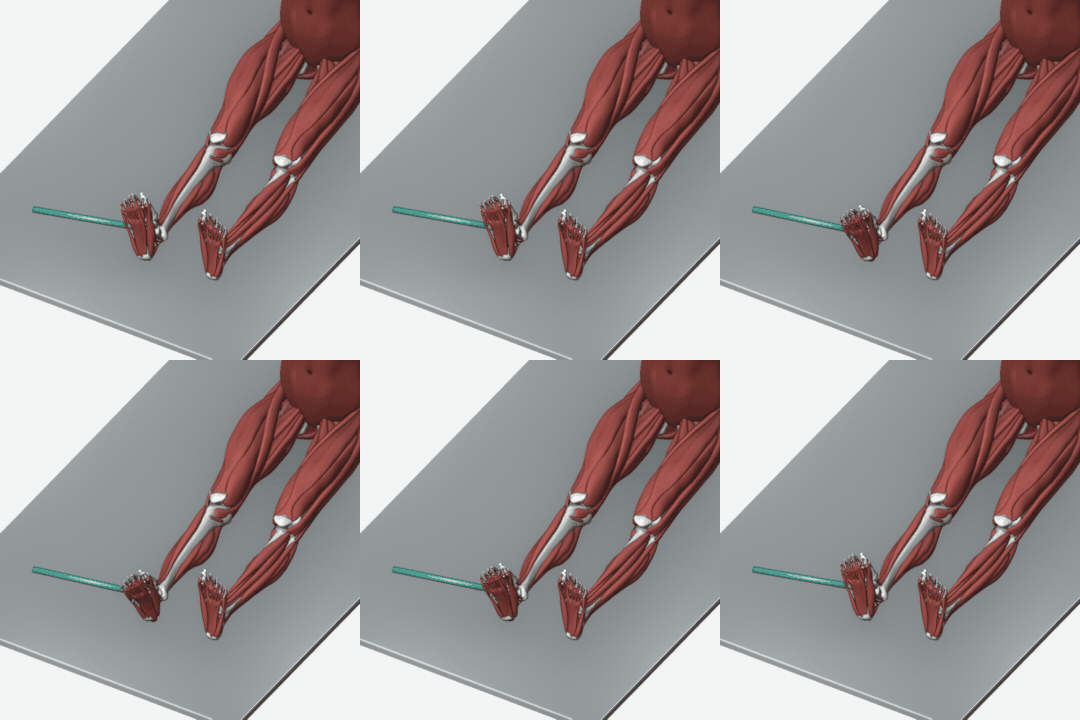
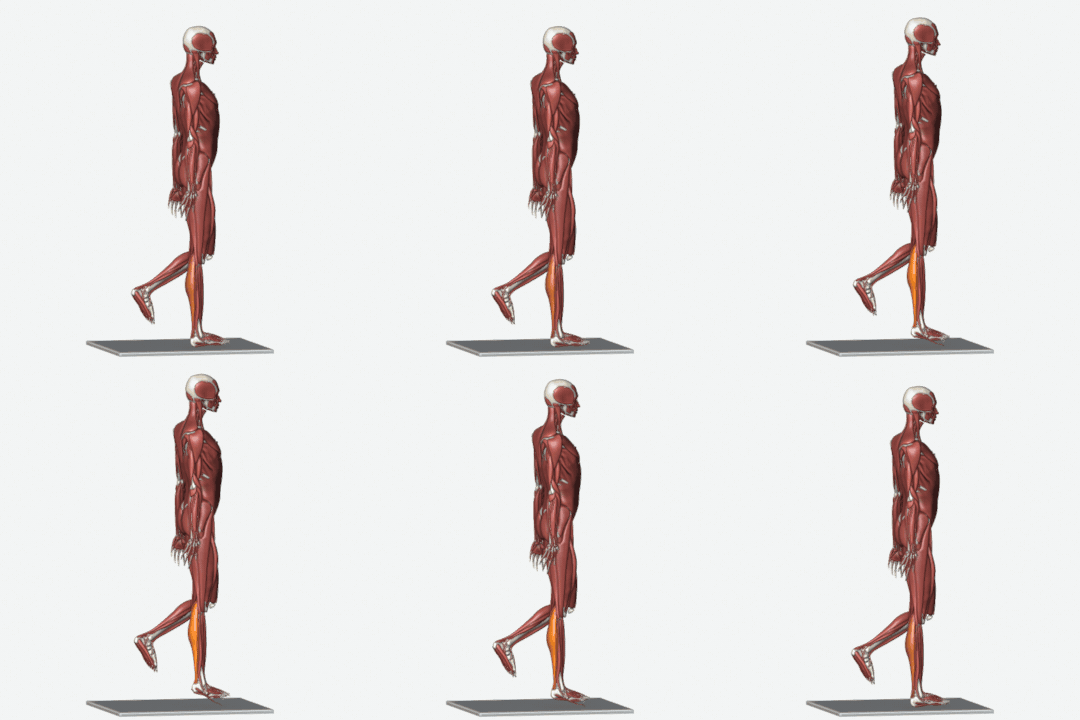
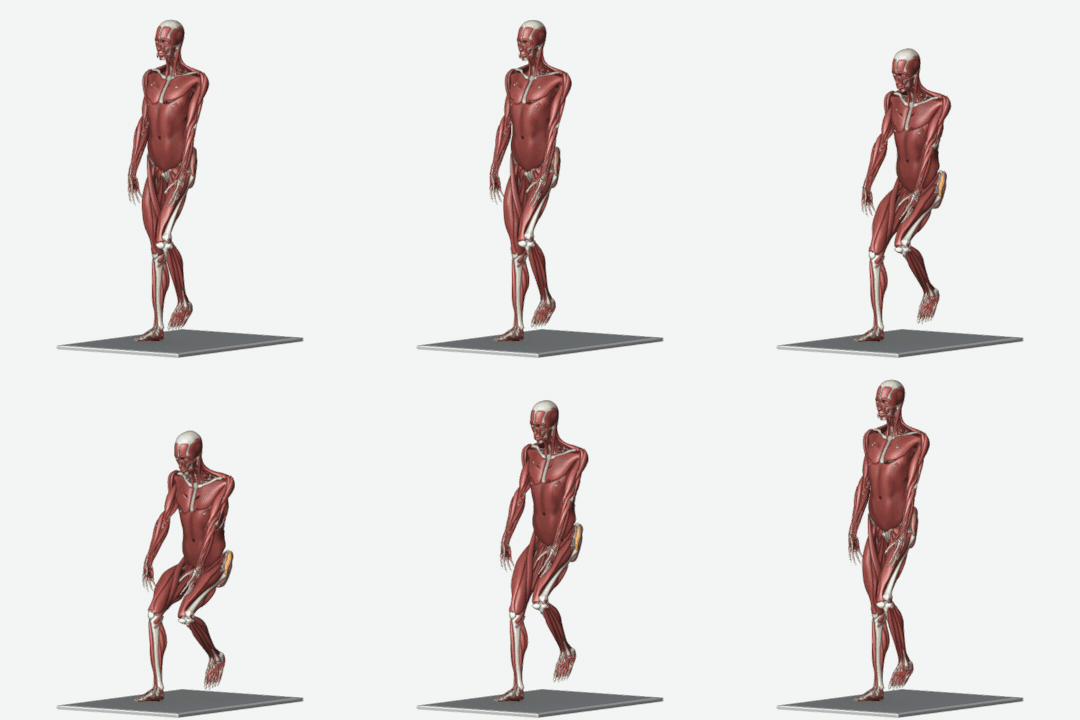
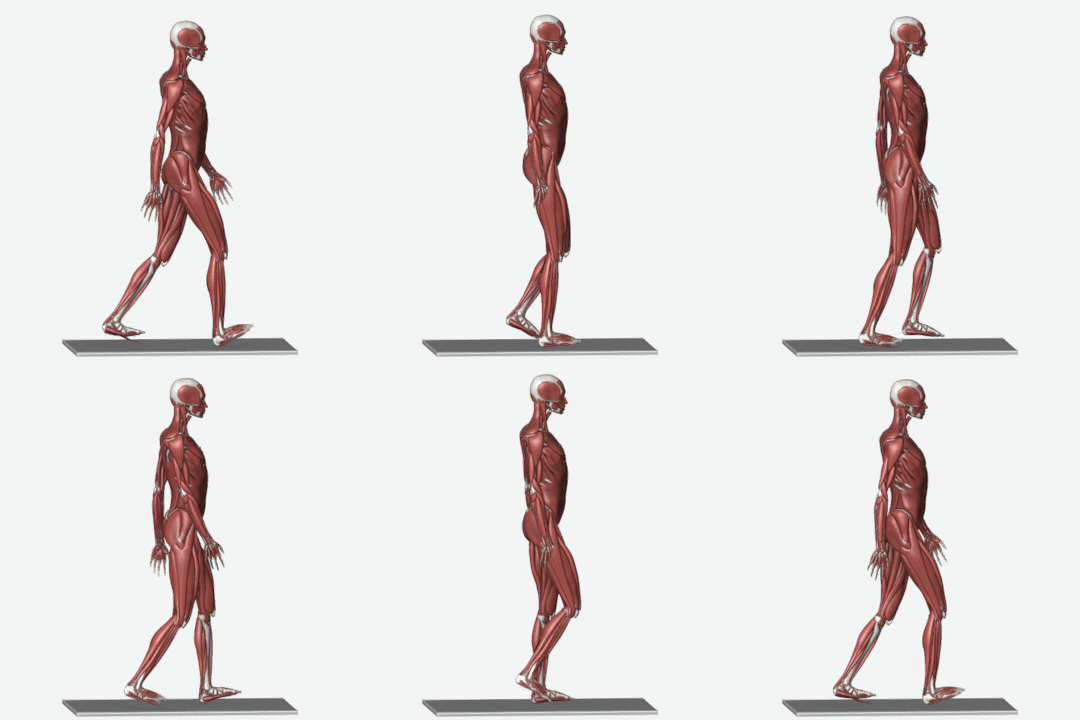
This example is for a moderate grade; each stage runs shorter or longer with the measured grade, and a person's own programme is written after assessment, around their other conditions and limits. If a movement causes pain, stop it and contact the clinic. Muscle colours in the animations: orange working, blue stretching, amber holding still.
Every number on this page is measured on the skin surface in a photograph. That is not the same as a measurement taken on a radiograph: it correlates with one and does not replace it. Wherever the decision depends on imaging, this page and the report itself say so.
What happens at the clinic
The assessment starts with three standing photographs — front, side and back. Every angle is measured on those photographs, the report prints the number and the grade for each, and the exercise programme is built from those numbers rather than from a template. Posture analysis explains the whole path, and the online assessment can be started from your own photograph now.
Frequently asked questions
At what point is rearfoot valgus and varus reported?
When heel rolls inward (rearfoot angle) is above 5°, it is reported as a finding. That is where the "Mild rearfoot valgus" band begins. The bands come from: Relaxed calcaneal stance position; up to ~5° of eversion is the conventional normal
Can rearfoot valgus and varus be assessed from a photograph?
A photograph gives a number, which most assessments do not have. But it is a surface measurement and it does not replace imaging. The navicular drop and the single heel raise separate a flexible flat foot from a rigid one — both belong to the foot-scan section.
What is the most severe grade?
The worst band in this table is "Severe rearfoot valgus". The grade is printed beside the measurement itself in the report, so it is always clear which number produced the word.