
What it means
A heel angled in or out when seen from behind, wearing the shoe on one side.
Where it comes from
Subtalar misalignment that rotates the whole lower limb chain.
How it is measured
It is measured on the back view, in the coronal plane. The defining measurement is Heel rolls inward (Rearfoot angle), and it is reported as a finding from above 5°. The number is computed from landmarks on that photograph — not estimated by eye, and not compared against a stock example.
What the numbers mean
| Measurement | Grade |
|---|---|
| up to 5° | Within normal range |
| 5–9° | Mild rearfoot varus |
| 9–14° | Moderate rearfoot varus |
| 14° and above | Severe rearfoot varus |
Source of the bands: Relaxed calcaneal stance position; inversion beyond ~5° is a supinating rearfoot
What confirms it
A cavus foot and ankle instability often travel with it; the foot-scan section completes the assessment.
Heel rolling out — less common, and therefore less charted
Rearfoot varus is the opposite direction from the one usually talked about. Which is exactly why there is less normative data behind it.
Why this direction is seen less
Redmond and colleagues [1], across 619 healthy people, showed that the average foot posture is slightly pronated (FPI +4). The population's centre of mass sits towards pronation, which makes supination the thinner side of the distribution.
⚠️ The practical consequence: a mildly supinated foot is further from average than a mildly pronated one at the same numeric distance — but being further from average is not itself a disease. Symptoms are what give it meaning.
Why it gets confused with a high arch
Rearfoot varus is often seen alongside a high arch, and then the real question changes to which one is driving the other. A photograph does not answer that; an examination does. The high-arched foot page explains how thin the evidence is on treating that.
⚠️ A newly appeared or progressing rearfoot varus, particularly with weakness or numbness, needs medical assessment — it can have a neuromuscular cause.
References
- Redmond AC, Crane YZ, Menz HB. Normative values for the Foot Posture Index. J Foot Ankle Res. 2008;1(1):6. PMID 18822155 · DOI 10.1186/1757-1146-1-6
The exercise programme
The foot rolls outward and stops absorbing shock; the peroneals need strengthening and the calf needs length.
The stages advance on a standard, not on the calendar:
- Stage 1 — release and wake up — weeks 1–4: Plantar fascia release, Calf and Achilles stretch, Soleus stretch (bent knee)
Move on: When the movement is done without pain and without compensating, and the stretch is no longer what limits it. - Stage 2 — control — weeks 3–8: Calf and Achilles stretch, Soleus stretch (bent knee), Peroneal strengthening
Move on: When the target muscle is felt through the whole range and the last set looks like the first. - Stage 3 — load and integration — weeks 6–16: Peroneal strengthening, Single-leg balance and squat, Gait pattern drill
Move on: When the corrected pattern holds in everyday movement and under fatigue.
Each session 20–30 minutes, 3–3 times a week, for at least 24 weeks. (from a study)
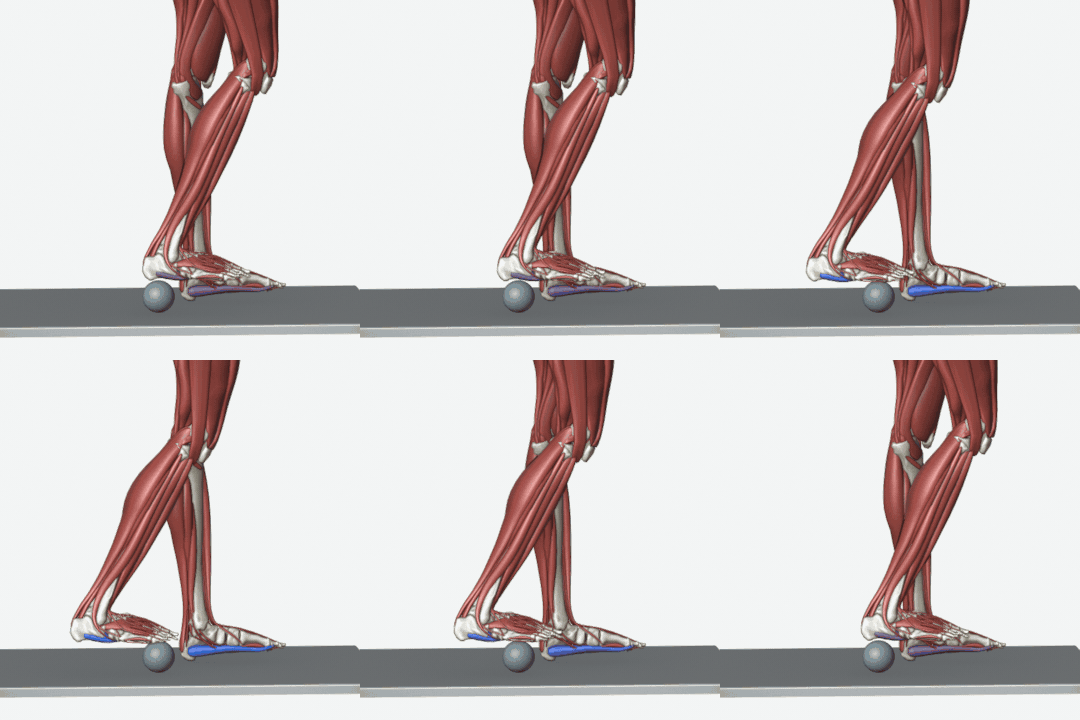
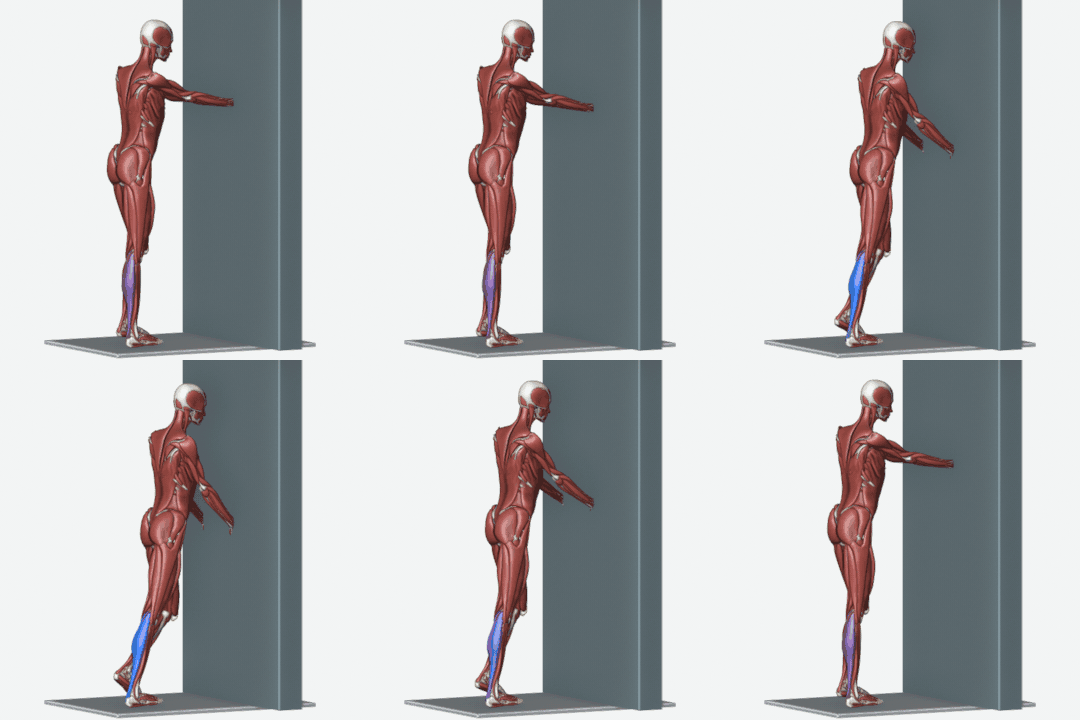
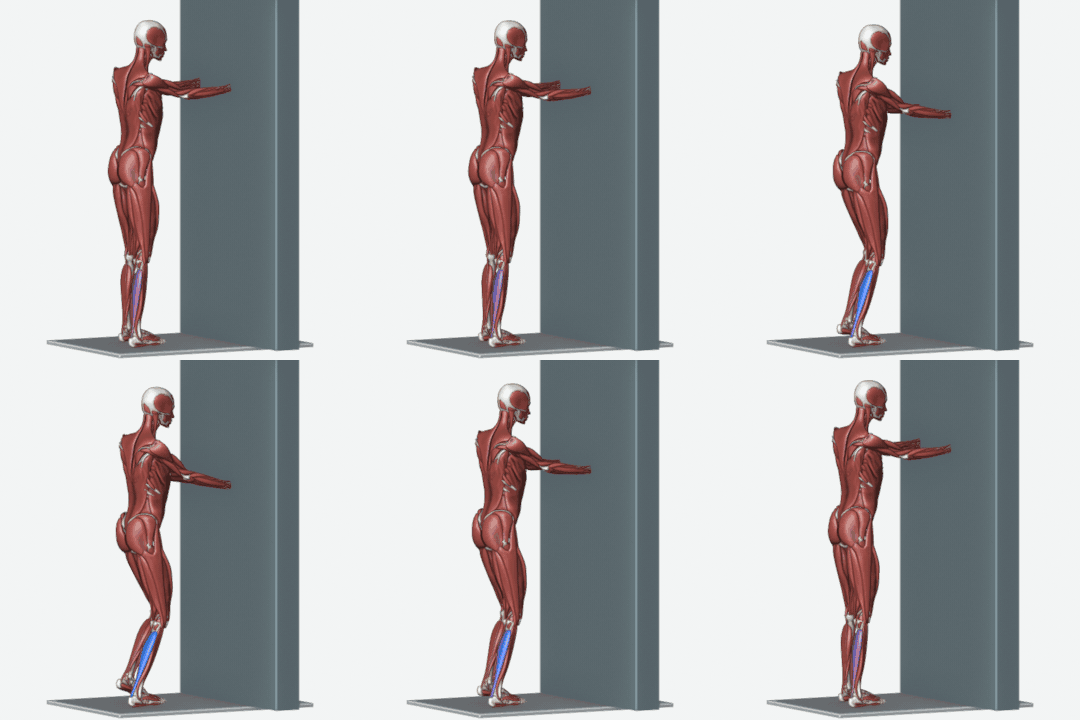
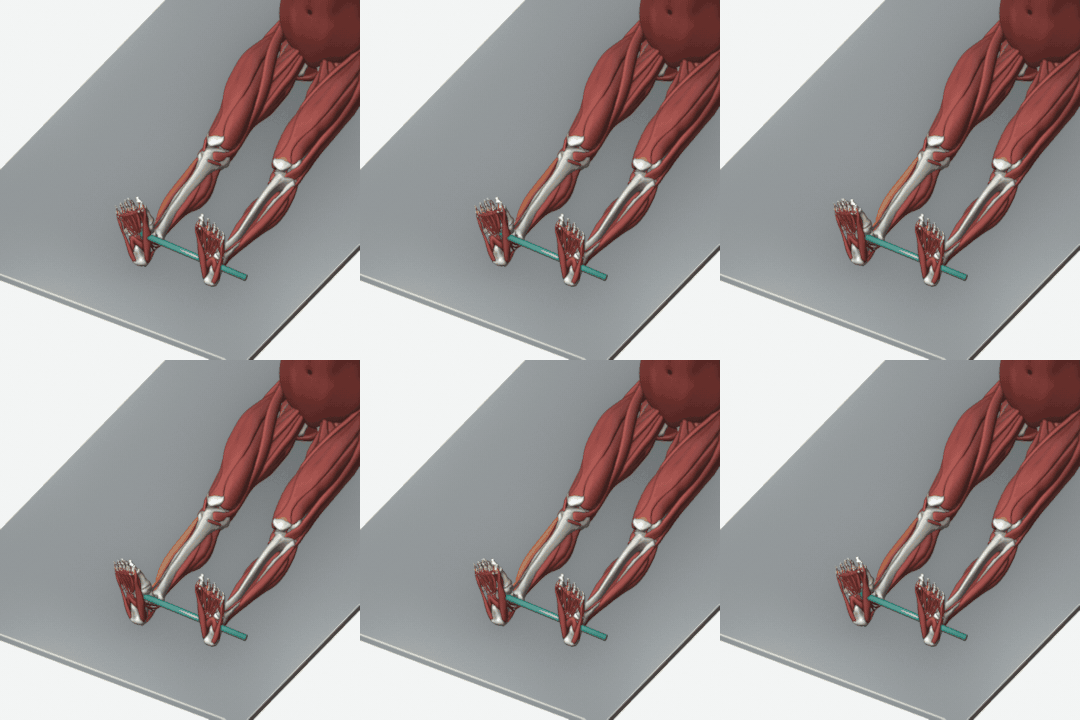
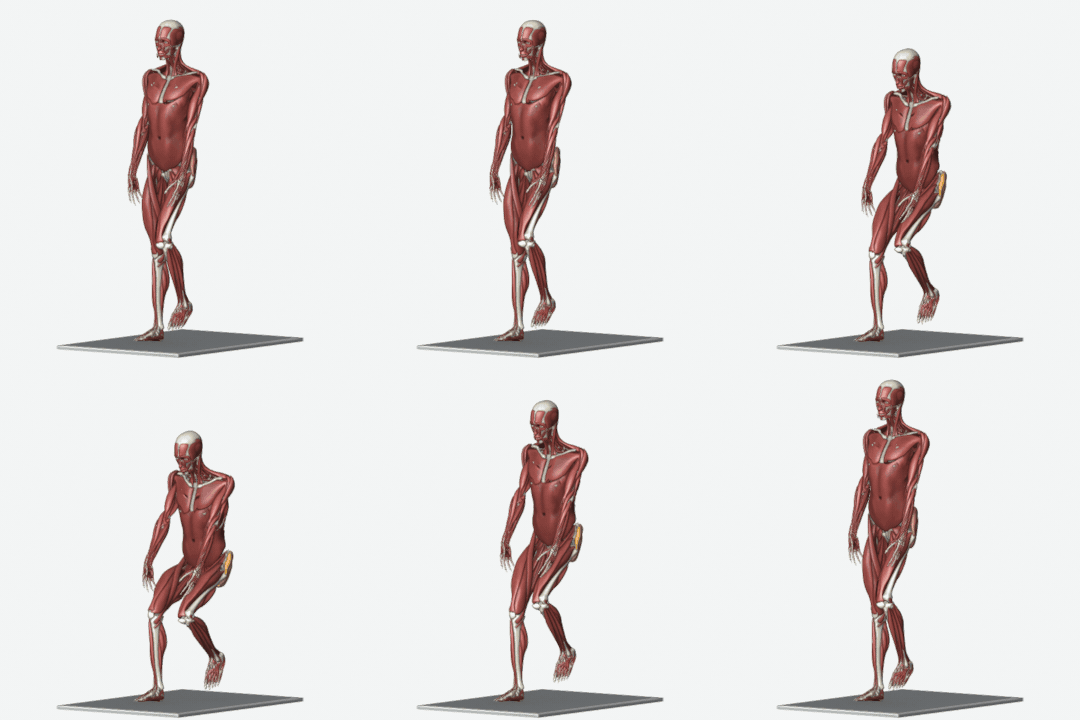
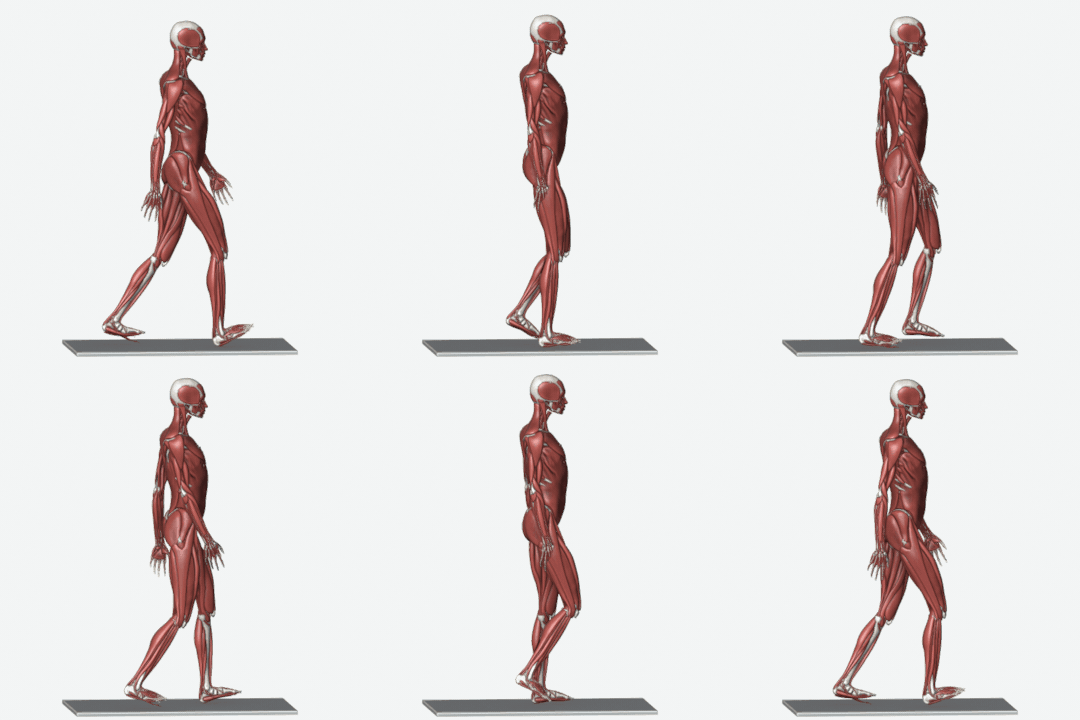
This example is for a moderate grade; each stage runs shorter or longer with the measured grade, and a person's own programme is written after assessment, around their other conditions and limits. If a movement causes pain, stop it and contact the clinic. Muscle colours in the animations: orange working, blue stretching, amber holding still.
Every number on this page is measured on the skin surface in a photograph. That is not the same as a measurement taken on a radiograph: it correlates with one and does not replace it. Wherever the decision depends on imaging, this page and the report itself say so.
What happens at the clinic
The assessment starts with three standing photographs — front, side and back. Every angle is measured on those photographs, the report prints the number and the grade for each, and the exercise programme is built from those numbers rather than from a template. Posture analysis explains the whole path, and the online assessment can be started from your own photograph now.
Frequently asked questions
At what point is rearfoot valgus and varus reported?
When heel rolls inward (rearfoot angle) is above 5°, it is reported as a finding. That is where the "Mild rearfoot varus" band begins. The bands come from: Relaxed calcaneal stance position; inversion beyond ~5° is a supinating rearfoot
Can rearfoot valgus and varus be assessed from a photograph?
A photograph gives a number, which most assessments do not have. But it is a surface measurement and it does not replace imaging. A cavus foot and ankle instability often travel with it; the foot-scan section completes the assessment.
What is the most severe grade?
The worst band in this table is "Severe rearfoot varus". The grade is printed beside the measurement itself in the report, so it is always clear which number produced the word.