
What it means
An uneven pelvis on standing with one-sided back pain and asymmetric shoe wear.
Where it comes from
A true difference in bone length, or an apparent one from pelvic obliquity and a one-sided flat foot.
How it is measured
It is measured on the front view, in the coronal plane. The defining measurement is One hip higher (Pelvic obliquity), and it is reported as a finding from above 4°. The number is computed from landmarks on that photograph — not estimated by eye, and not compared against a stock example.
What the numbers mean
| Measurement | Grade |
|---|---|
| up to 4° | No evidence |
| 4–6° | Suspected — needs measurement |
| 6° and above | Likely — needs measurement |
Source of the bands: Inferred from pelvic obliquity; a discrepancy in centimetres requires a tape measurement
What is usually seen alongside it
- Sideways curve of the spine (Cobb angle) — above 10°
None of these is a diagnosis on its own. Together they corroborate the finding; apart, they do not refute it — a measurement nobody took counts neither for nor against.
What confirms it
Settled with a tape measure: true length from the ASIS to the medial malleolus and apparent length from the umbilicus, both sides. A difference beyond about a centimetre is worth acting on.
Leg-length difference — nearly everyone has one, and most of it does not matter
Being told your legs are not the same length is alarming. The figures below take most of that alarm away.
Three numbers that change the picture
Knutson [1] reviewed data gathered by accurate and reliable radiographic methods:
- Prevalence of anatomic inequality: 90% — which is to say, almost everybody.
- Mean magnitude: 5.2 mm (SD 4.1).
- The evidence suggests that for most people it does not become clinically significant until roughly 20 mm.
The paper's own conclusion: anatomic leg-length inequality is near universal, but the average magnitude is small and not likely to be clinically significant.
And the distinction everything rests on
Part II of the same review [2] holds that the functional "short leg" — what is seen lying down, unloaded — is a different phenomenon from anatomic inequality, and may come from suprapelvic muscle hypertonicity. The two interact in standing and not when lying.
Its practical recommendation: functional asymmetry should be eliminated before any treatment of an anatomic inequality — otherwise something may be compensated for that was never a difference in bone.
⚠️ And a caveat about the number on this page
Those figures come from radiographs. What this centre measures is on the skin surface in a photograph, which is not the same method. The 20 mm threshold should not be laid directly onto the number here; what a photographic screen does is say whether the difference is large enough to be worth looking at properly.
Knutson himself notes that more research is needed on the reliability of the functional measurement procedures. One measurement does not make a treatment decision.
References
- Knutson GA. Anatomic and functional leg-length inequality: a review and recommendation for clinical decision-making. Part I, anatomic leg-length inequality: prevalence, magnitude, effects and clinical significance. Chiropr Osteopat. 2005;13:11. PMID 16026625 · DOI 10.1186/1746-1340-13-11
- Knutson GA. Anatomic and functional leg-length inequality: a review and recommendation for clinical decision-making. Part II, the functional or unloaded leg-length asymmetry. Chiropr Osteopat. 2005;13:12. PMID 16080787 · DOI 10.1186/1746-1340-13-12
The exercise programme
One side of the pelvis rides low: gluteus medius is weak on the dropped side and quadratus lumborum is short on the high side.
The stages advance on a standard, not on the calendar:
- Stage 1 — release and wake up — weeks 1–4: TFL and lateral thigh release, Quadratus lumborum stretch
Move on: When the movement is done without pain and without compensating, and the stretch is no longer what limits it. - Stage 2 — control — weeks 3–8: Quadratus lumborum stretch, Clamshell — gluteus medius, Side-lying hip abduction, Banded lateral walk, Side plank
Move on: When the target muscle is felt through the whole range and the last set looks like the first. - Stage 3 — load and integration — weeks 6–16: Clamshell — gluteus medius, Side-lying hip abduction, Banded lateral walk, Side plank, Single-leg balance and squat
Move on: When the corrected pattern holds in everyday movement and under fatigue.
Each session 15–20 minutes, 6–7 times a week, for at least 16 weeks. (from a study)
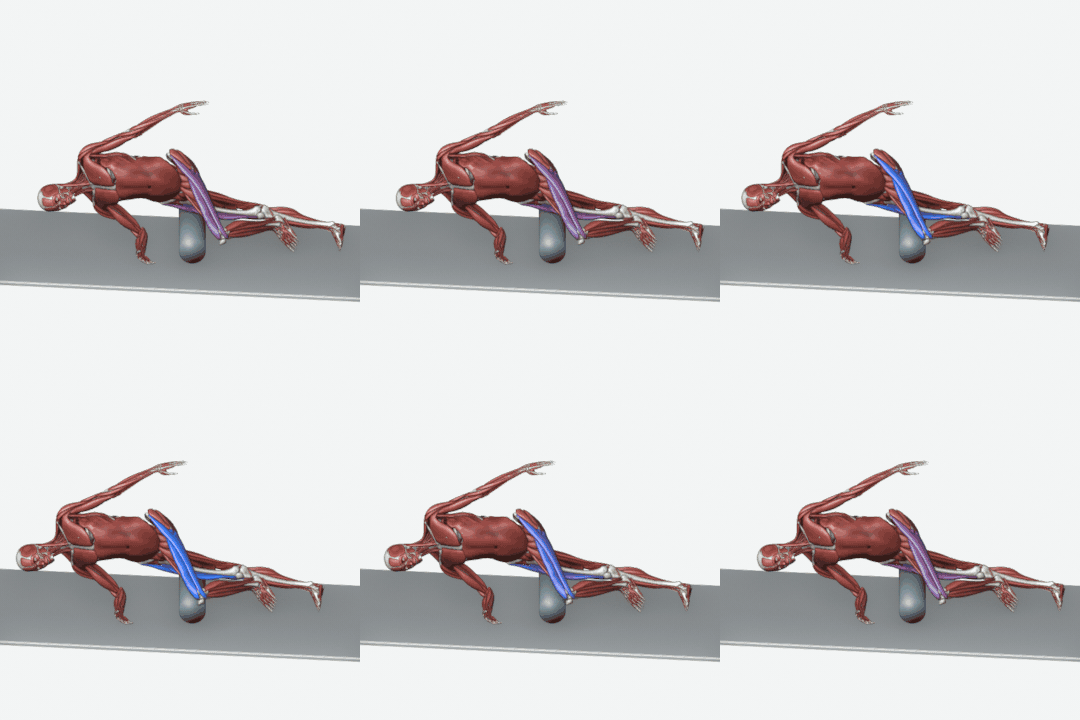
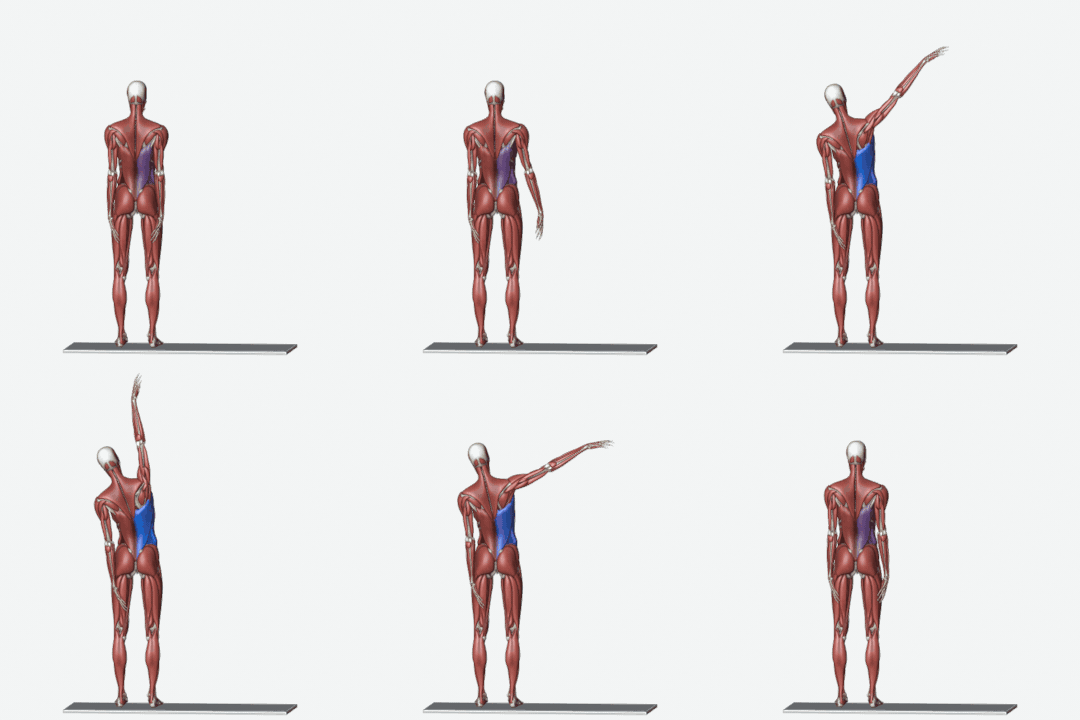
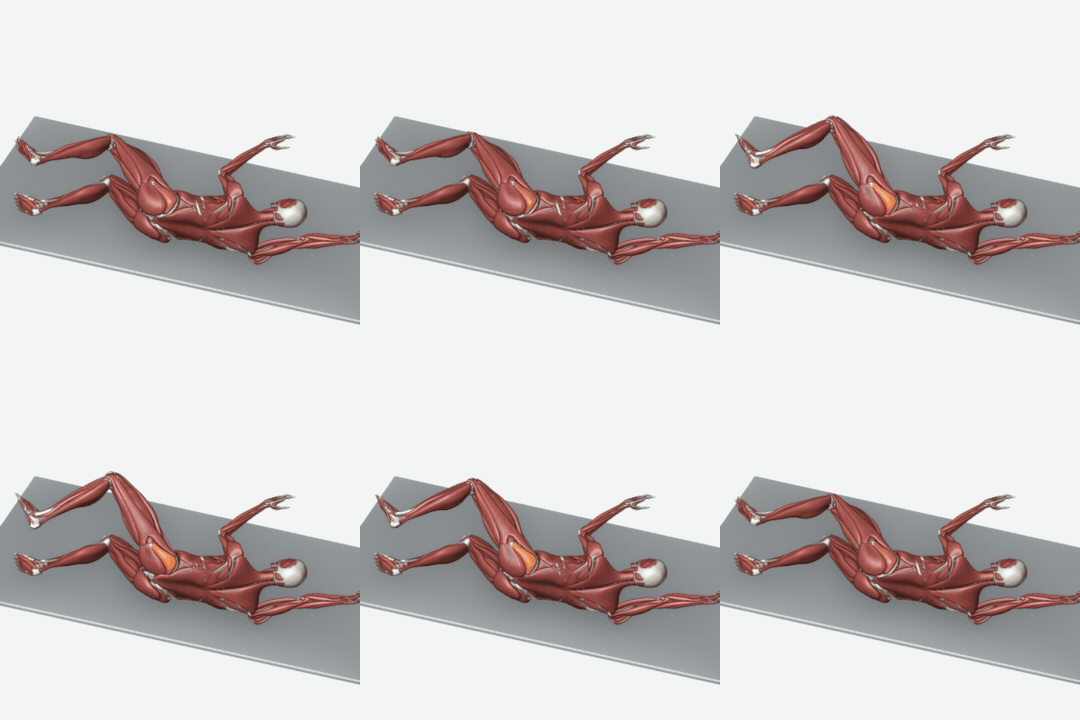
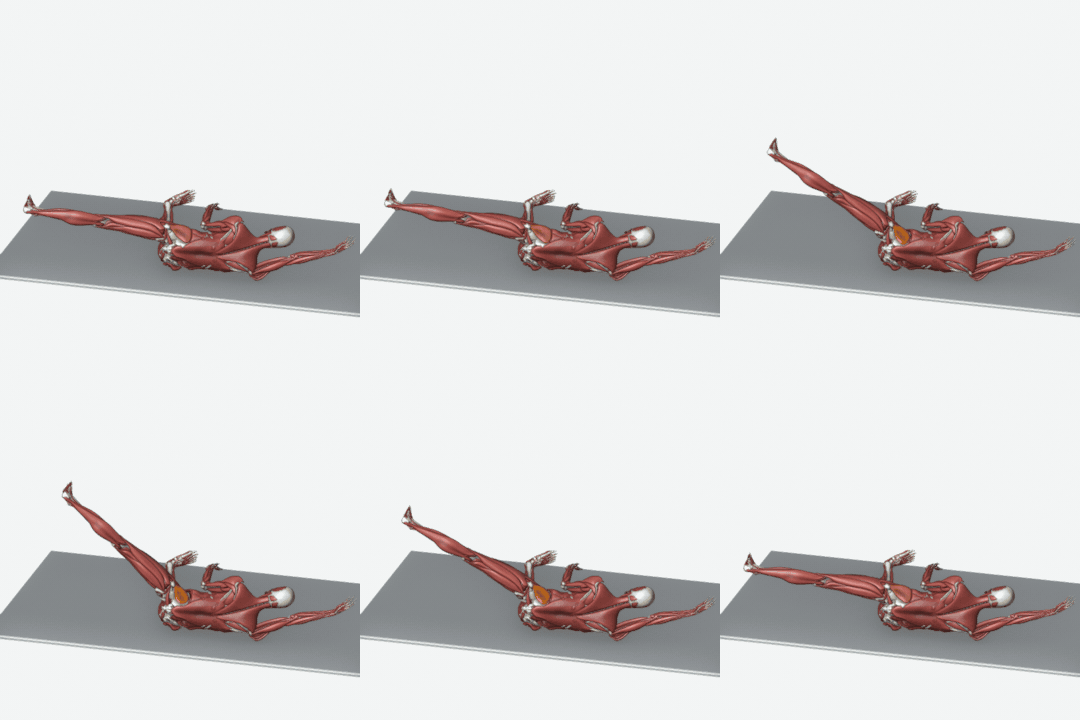
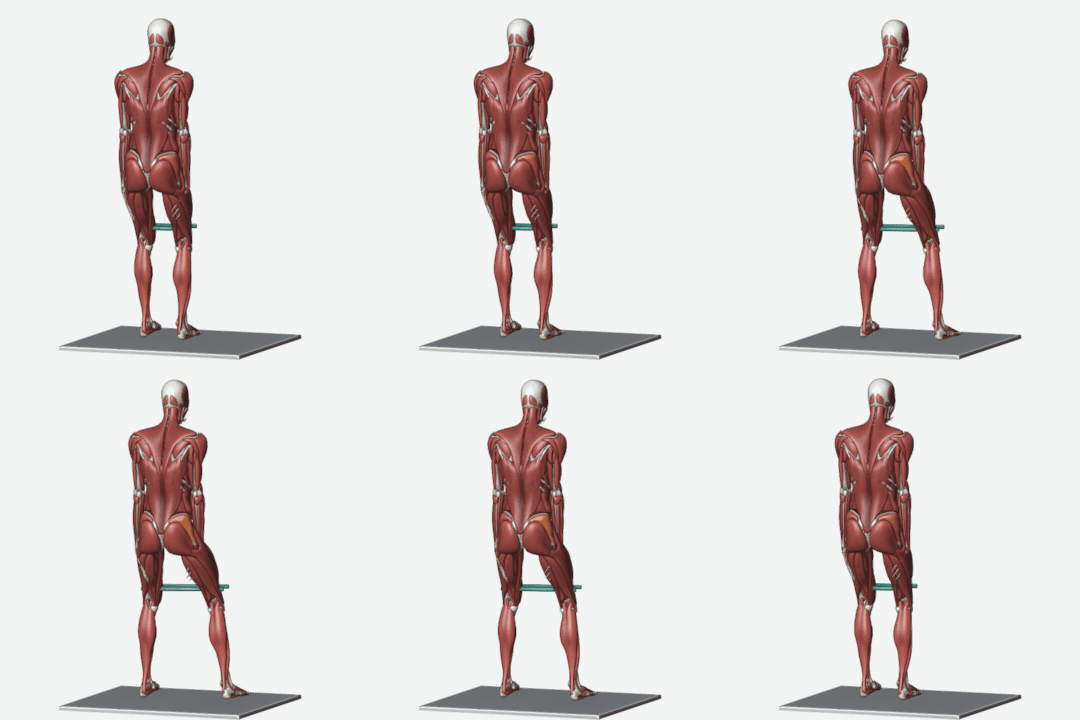
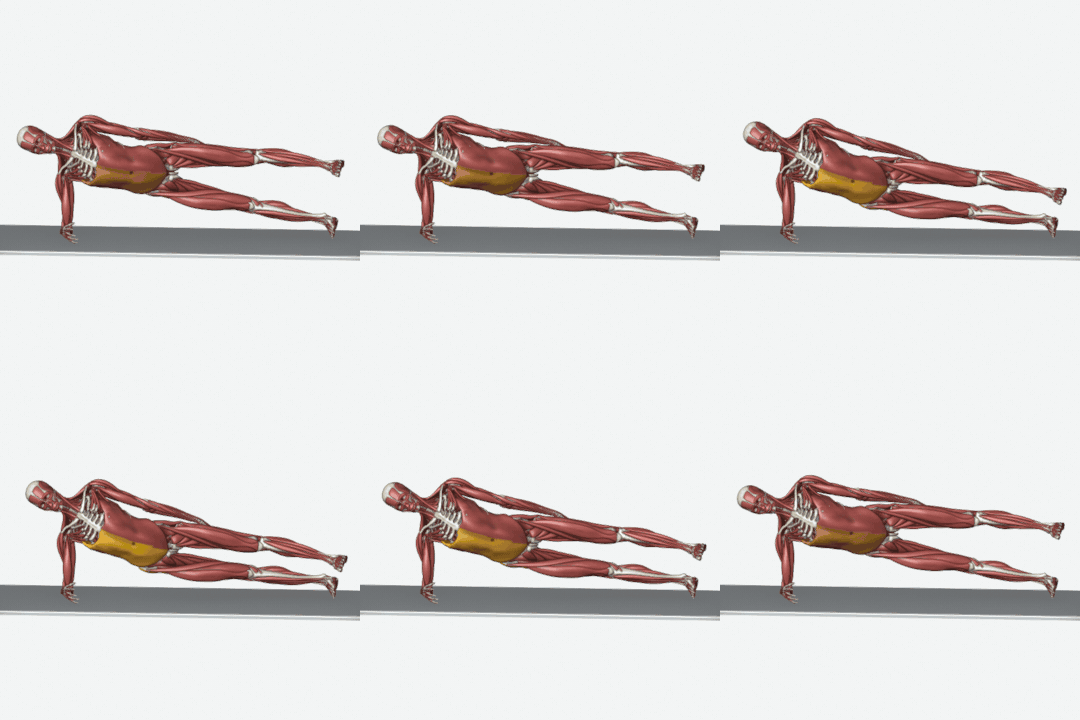
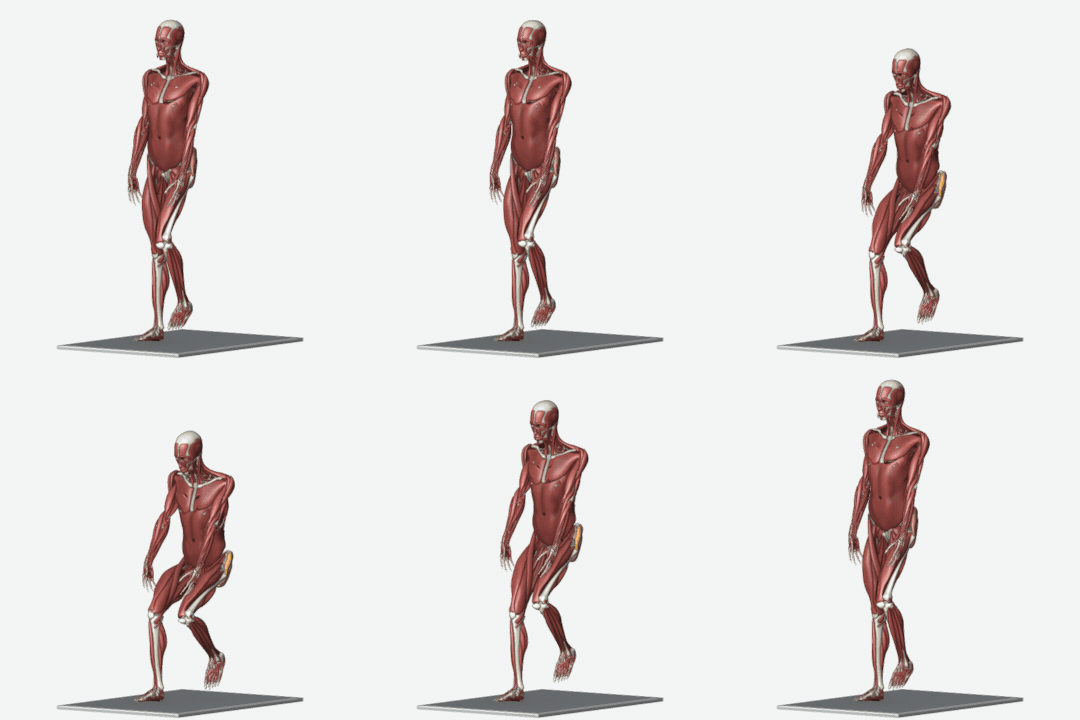
This example is for a moderate grade; each stage runs shorter or longer with the measured grade, and a person's own programme is written after assessment, around their other conditions and limits. If a movement causes pain, stop it and contact the clinic. Muscle colours in the animations: orange working, blue stretching, amber holding still.
Every number on this page is measured on the skin surface in a photograph. That is not the same as a measurement taken on a radiograph: it correlates with one and does not replace it. Wherever the decision depends on imaging, this page and the report itself say so.
What happens at the clinic
The assessment starts with three standing photographs — front, side and back. Every angle is measured on those photographs, the report prints the number and the grade for each, and the exercise programme is built from those numbers rather than from a template. Posture analysis explains the whole path, and the online assessment can be started from your own photograph now.
Frequently asked questions
At what point is leg length discrepancy reported?
When one hip higher (pelvic obliquity) is above 4°, it is reported as a finding. That is where the "Suspected — needs measurement" band begins. The bands come from: Inferred from pelvic obliquity; a discrepancy in centimetres requires a tape measurement
Can leg length discrepancy be assessed from a photograph?
A photograph gives a number, which most assessments do not have. But it is a surface measurement and it does not replace imaging. Settled with a tape measure: true length from the ASIS to the medial malleolus and apparent length from the umbilicus, both sides. A difference beyond about a centimetre is worth acting on.
What is the most severe grade?
The worst band in this table is "Likely — needs measurement". The grade is printed beside the measurement itself in the report, so it is always clear which number produced the word.