
What it means
The pelvis in front of the ribcage with a flat low back and a long thoracic hump.
Where it comes from
The habit of standing on ligaments rather than muscles, shifting the centre of mass.
How it is measured
It is measured on the side view, in the sagittal plane. The defining measurement is Trunk leans (Sagittal trunk inclination), and it is reported as a finding from above 3°. The number is computed from landmarks on that photograph — not estimated by eye, and not compared against a stock example.
What the numbers mean
| Measurement | Grade |
|---|---|
| up to 3° | Within normal range |
| 3–6° | Mild sway back |
| 6–10° | Moderate sway back |
| 10° and above | Severe sway back |
Source of the bands: Kendall FP et al, Muscles: Testing and Function with Posture and Pain, 5th ed
What is usually seen alongside it
- Pelvis tipped forward or back (Sagittal pelvic tilt)
- Sway back (Lumbar lordosis) — below 25°
- Rounded upper back (Thoracic kyphosis) — above 45°
None of these is a diagnosis on its own. Together they corroborate the finding; apart, they do not refute it — a measurement nobody took counts neither for nor against.
What confirms it
From the side, a sway back carries the pelvis forward of the ankle and the thorax back behind it; a flat back has no such translation.
Sway back — a postural pattern, not a diagnosis
In a sway back the pelvis sits forward of the ribcage and the trunk leans back a little. It is a recognised pattern — but recognised is not the same as demonstrated.
What the evidence says about curve shape
The same systematic review that bears on flat back applies here: across 54 studies, Christensen and Hartvigsen [1] found no strong evidence of association between sagittal spinal curves and health outcomes, spinal pain included, and judged the methodological quality of those studies generally low.
⚠️ The four outcomes with moderate evidence — temporomandibular disorders, pelvic organ prolapse, daily function, death — are, in their own words, unlikely to be causal. Something was seen alongside something else, not shown to cause it.
Why the pattern is still worth measuring
Because it is repeatable. If you have a number today and start a programme, the same measurement in eight to twelve weeks says whether anything changed. That comparison is worth having regardless of whether the posture ever caused anything.
⚠️ A sway back is neither a diagnosis nor a prediction of pain. If there are symptoms, an examination establishes where they come from.
References
- Christensen ST, Hartvigsen J. Spinal curves and health: a systematic critical review of the epidemiological literature dealing with associations between sagittal spinal curves and health. J Manipulative Physiol Ther. 2008;31(9):690–714. PMID 19028253 · DOI 10.1016/j.jmpt.2008.10.004
The evidence on this
Study summaries that measured this finding — with their numbers and their limits.
- Which exercise for chronic back pain, and how much — Systematic review and network meta-analysis, 24 randomised controlled trials
The exercise programme
The pelvis is pushed forward and tilted back, the hips sit in extension and the thoracic curve runs long behind. The protocol: (1) stretch the hamstrings; (2) strengthen the quadriceps and hip flexors with the straight-leg raise and the hip lift; (3) strengthen the external obliques and the upper back extensors; (4) stand with the ribs stacked over the pelvis, so the weight comes off the ligaments and back onto muscle.
The stages advance on a standard, not on the calendar:
- Stage 1 — release and wake up — weeks 1–4: Hamstring stretch, Supine hamstring stretch
Move on: When the movement is done without pain and without compensating, and the stretch is no longer what limits it. - Stage 2 — control — weeks 3–8: Hamstring stretch, Supine hamstring stretch, Straight leg raise — quadriceps, Standing hip flexor lift, Side plank, Prone back extension, Prone Y — lower trapezius
Move on: When the target muscle is felt through the whole range and the last set looks like the first. - Stage 3 — load and integration — weeks 6–16: Straight leg raise — quadriceps, Standing hip flexor lift, Side plank, Prone back extension, Prone Y — lower trapezius, Standing posture reset
Move on: When the corrected pattern holds in everyday movement and under fatigue.
Each session 15–20 minutes, 6–7 times a week, for at least 16 weeks. (from a study)
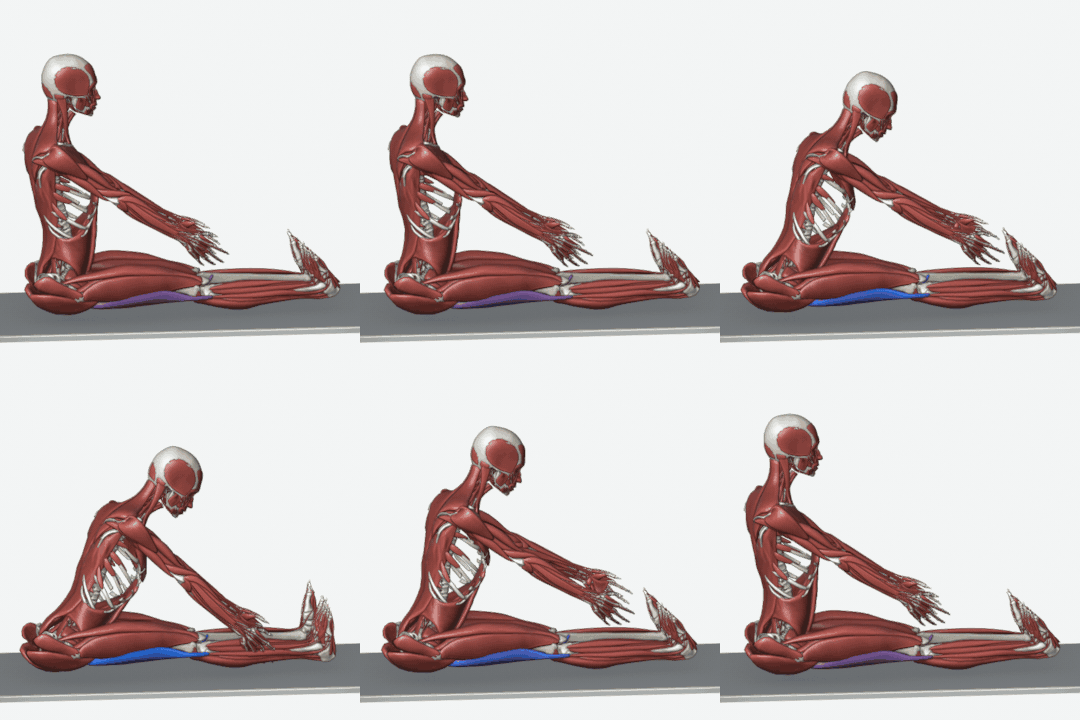
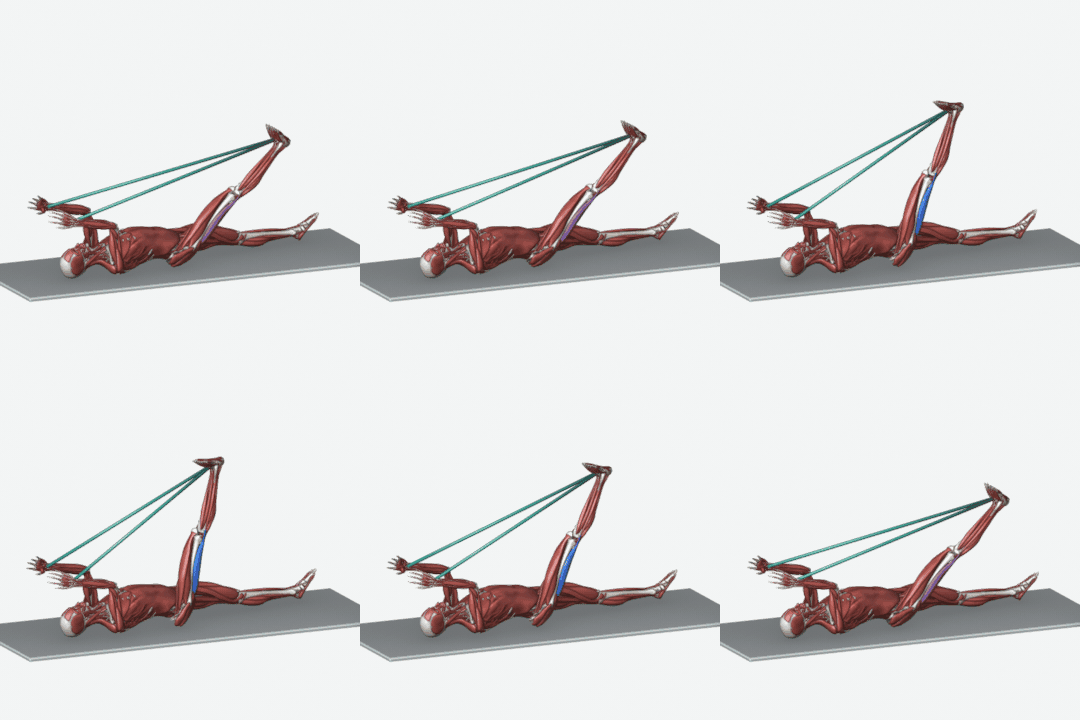
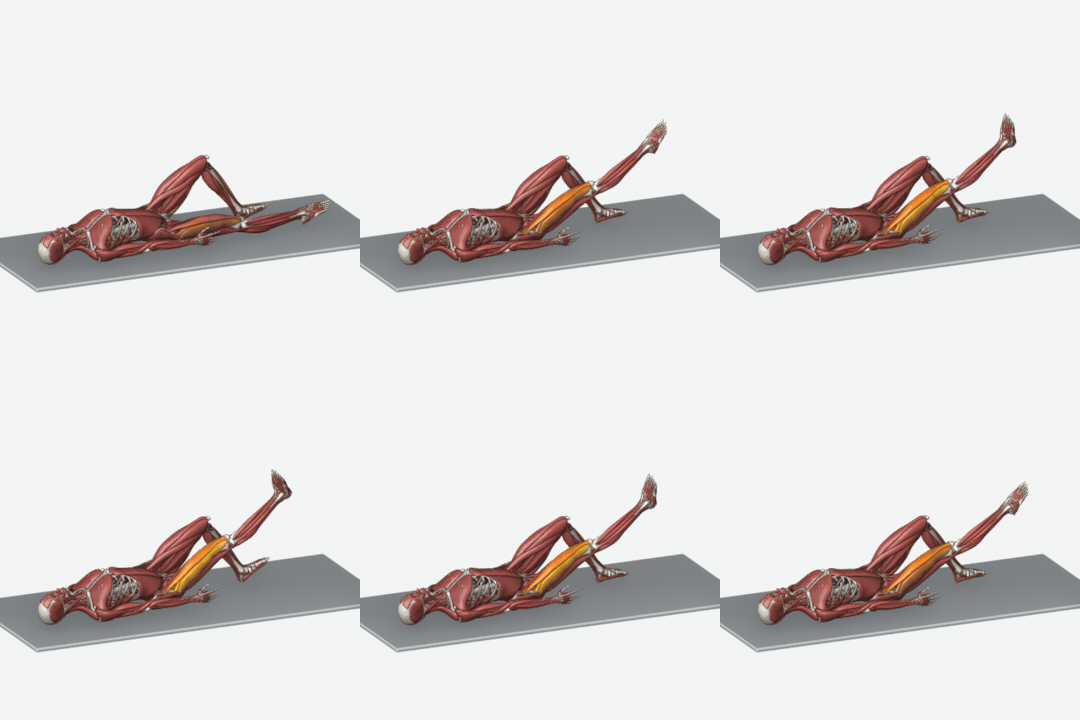
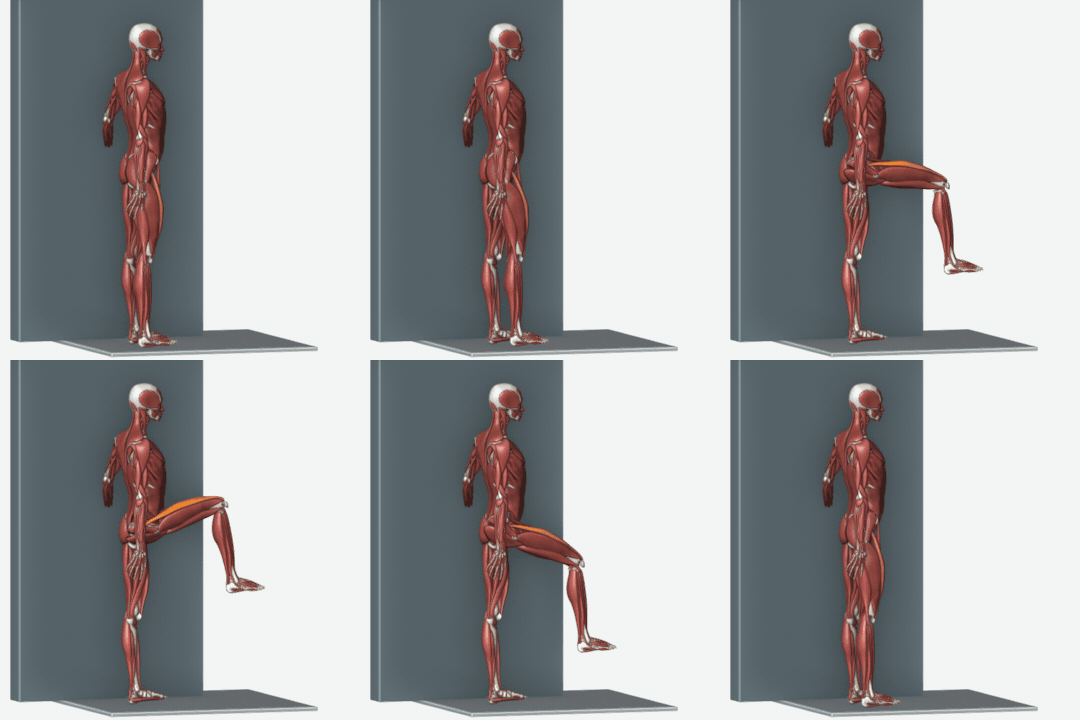
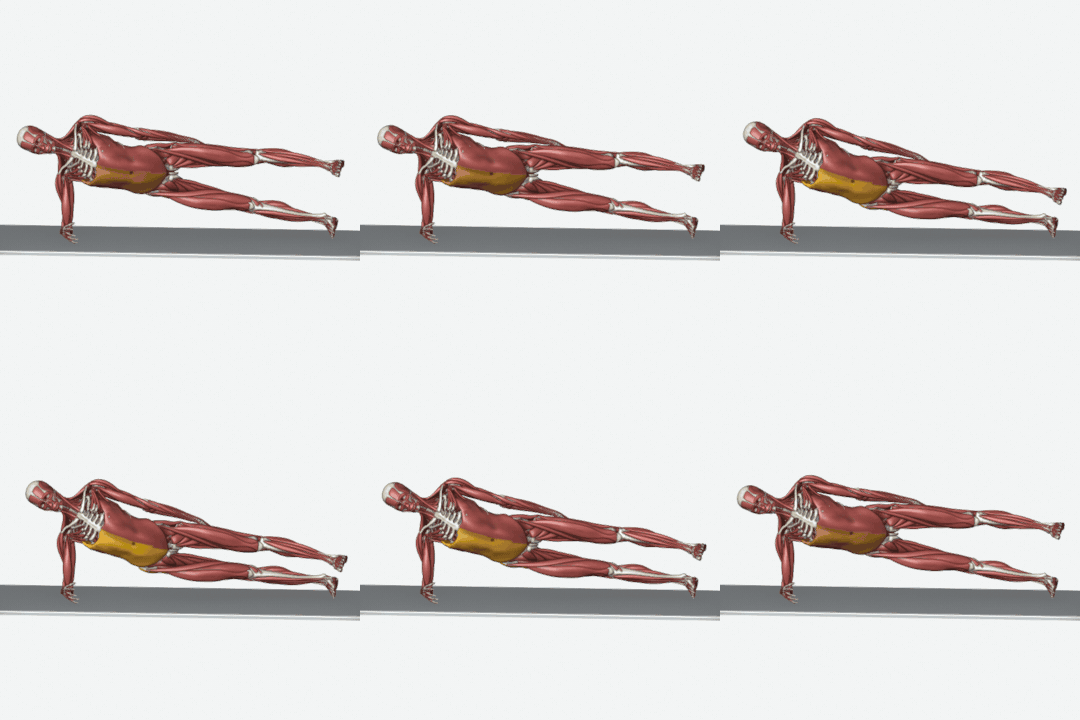
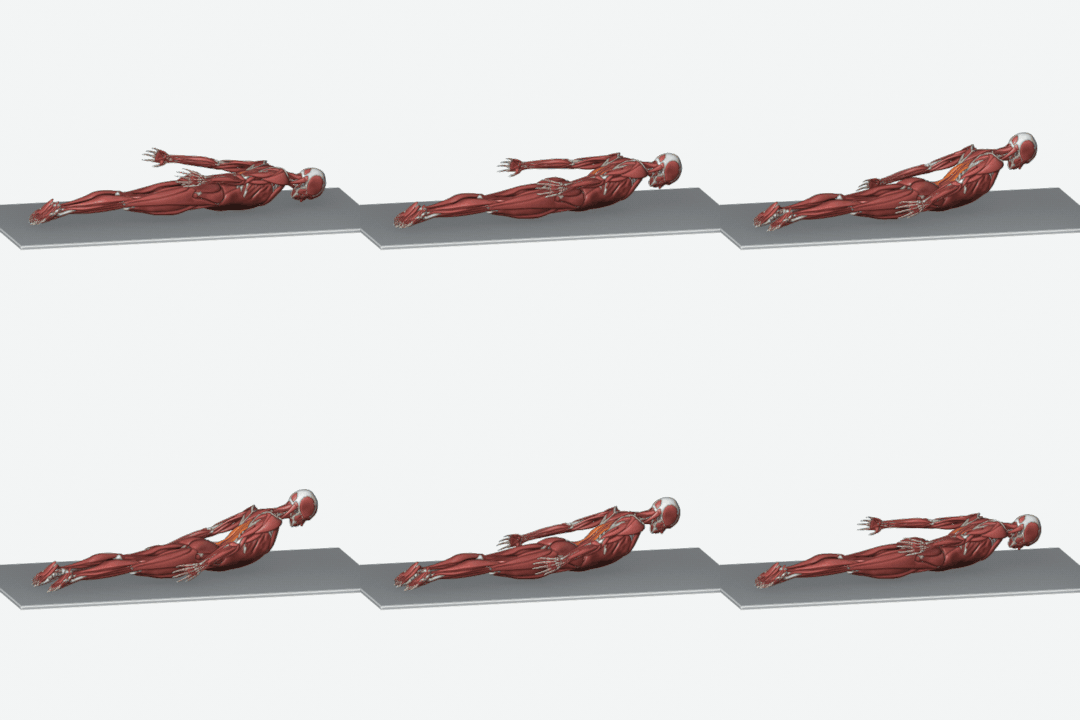
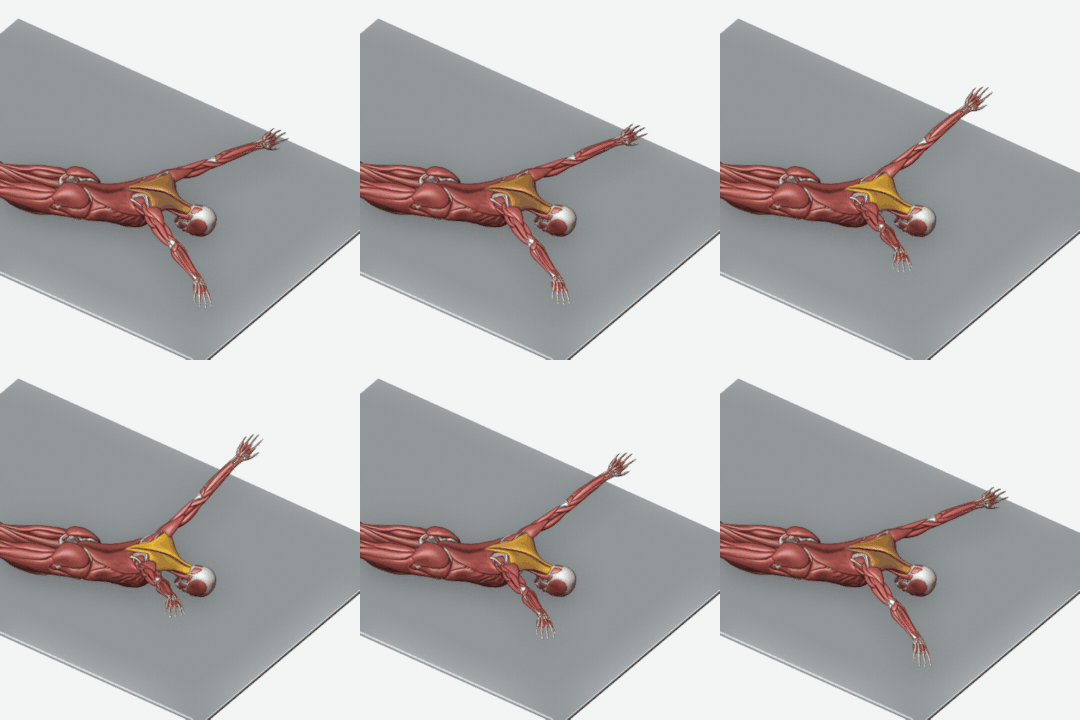
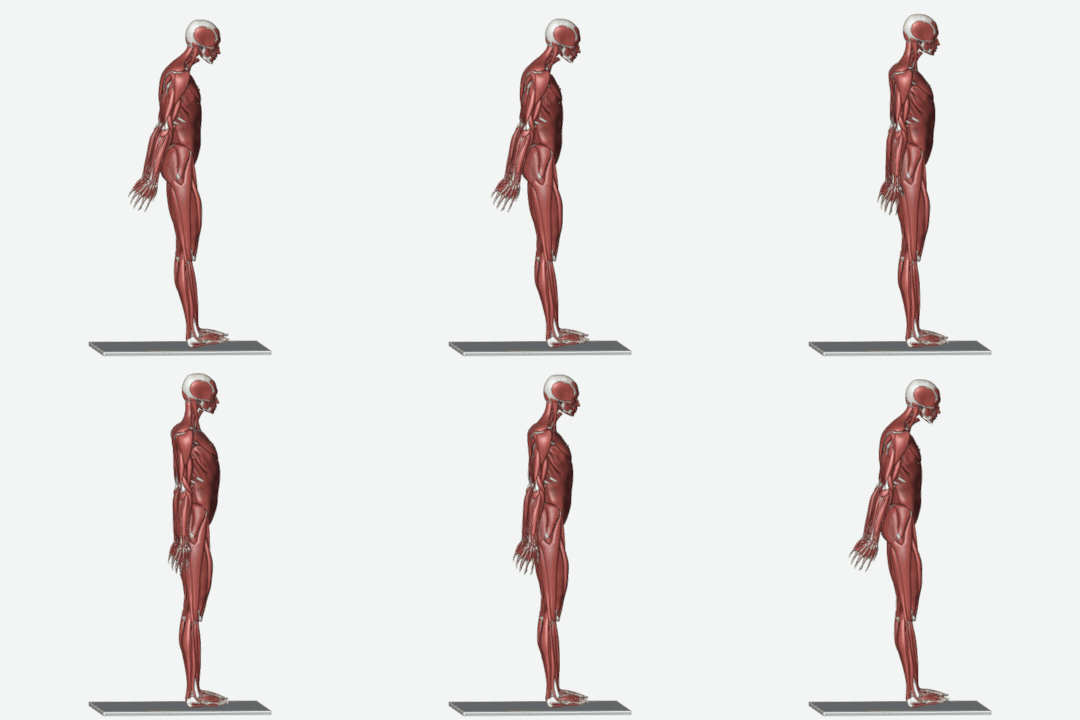
This example is for a moderate grade; each stage runs shorter or longer with the measured grade, and a person's own programme is written after assessment, around their other conditions and limits. If a movement causes pain, stop it and contact the clinic. Muscle colours in the animations: orange working, blue stretching, amber holding still.
Every number on this page is measured on the skin surface in a photograph. That is not the same as a measurement taken on a radiograph: it correlates with one and does not replace it. Wherever the decision depends on imaging, this page and the report itself say so.
What happens at the clinic
The assessment starts with three standing photographs — front, side and back. Every angle is measured on those photographs, the report prints the number and the grade for each, and the exercise programme is built from those numbers rather than from a template. Posture analysis explains the whole path, and the online assessment can be started from your own photograph now.
Frequently asked questions
At what point is sway back reported?
When trunk leans (sagittal trunk inclination) is above 3°, it is reported as a finding. That is where the "Mild sway back" band begins. The bands come from: Kendall FP et al, Muscles: Testing and Function with Posture and Pain, 5th ed
Can sway back be assessed from a photograph?
A photograph gives a number, which most assessments do not have. But it is a surface measurement and it does not replace imaging. From the side, a sway back carries the pelvis forward of the ankle and the thorax back behind it; a flat back has no such translation.
What is the most severe grade?
The worst band in this table is "Severe sway back". The grade is printed beside the measurement itself in the report, so it is always clear which number produced the word.