
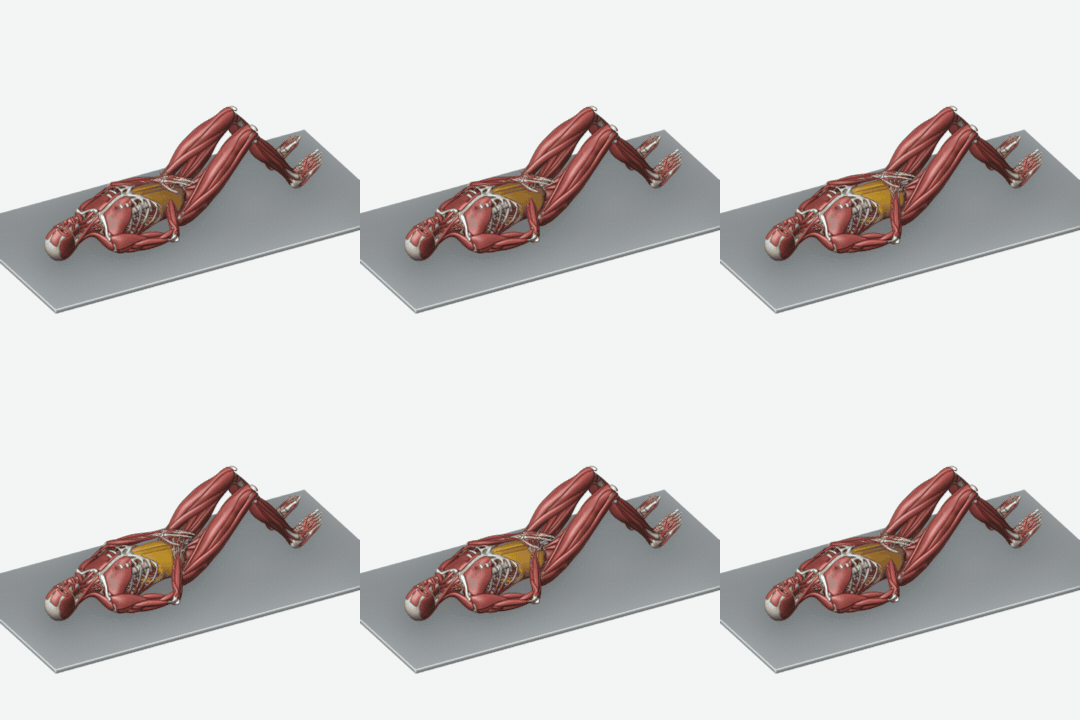
How to do it
Breathe in through the nose for four seconds into the side ribs, out fully over six. The chest should not rise.
Default dose
2 × 10
This is the library's default dose. Each person's programme is set after assessment, around the grade of their finding and their own conditions and limits.
Muscles involved
- holding still Transversus abdominis, Abdominal obliques
Muscle colours in the animation: orange working, blue stretching, amber holding still. These muscles were measured on the 3D model.
Where it sits in a programme: Integrate
The fourth phase is integration: using the new pattern in whole, everyday movements — standing, bending, squatting, walking — so the correction does not stay on the exercise mat.
Which postural findings it is prescribed for
It appears in the example programme on these pages:
Take care
- If the movement causes pain or makes pain worse, stop and contact the clinic or your doctor.
Source
Review article:
- Bradley H, Esformes J. Breathing pattern disorders and functional movement. Int J Sports Phys Ther. 2014;9(1):28-39.
Review: the diaphragmatic breathing pattern and how its disorders relate to movement control.
A related study summary on this site: If breathing technique is added to movement exercise, does the thoracic kyphosis angle come down further?